
Best Place to Buy Audemars Piguet Replica Online (Trusted Dealer Guide)
Audemars Piguet Replica Buying Guide: APS Factory 15500 Super Clone Review & Comparison
Quick Verdict
If you’re considering a Royal Oak 15500 super clone, here’s the bottom line:
- The current top version uses a true 1:1 clone Caliber 4302, matching the architecture of the genuine movement.
- APS Factory produces the most accurate case finishing, bracelet articulation, and dial texture available right now.
- Real-world wear shows strong timekeeping (+4 to +7 sec/day), solid power reserve (63–68 hours tested), and excellent wrist balance.
- It’s not perfect under magnification, but at normal viewing distance, it’s extremely close.
If you’re deciding whether it’s worth buying and which version to choose, this guide breaks everything down clearly — factory differences, movement structure, comfort, long-term performance, and who it actually makes sense for.
Why the Royal Oak Is So Difficult to Replicate
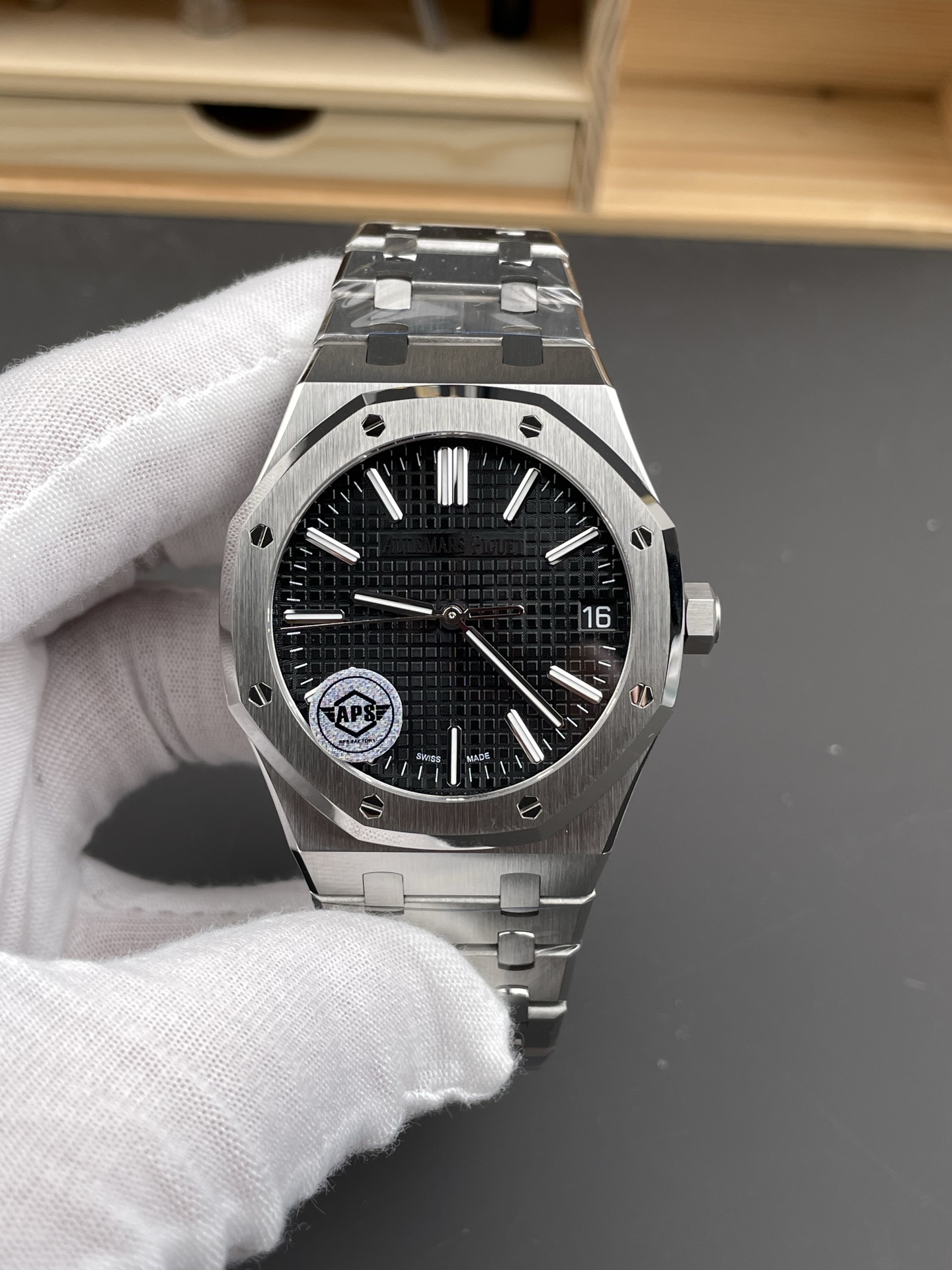
The Royal Oak isn’t just another steel sports watch. It’s defined by three details that are very hard to reproduce correctly:
- Razor-sharp bezel brushing with polished bevel transitions
- Integrated bracelet with complex link geometry
- The tapisserie dial with dimensional texture
Most lower-tier versions fail at at least one of these.
A high-end Audemars Piguet replica needs precision machining and proper finishing — otherwise the watch immediately feels “off” on the wrist.
Right now, APS Factory is the benchmark.
APS Factory: The Current Top Tier for Royal Oak 15500
Among the major producers (ZF, 3KF, APS), APS stands out for consistency and finishing control.
For those tracking factory batches and updates, the production comparisons are regularly discussed in the APS factory reports, which detail changes between releases.
Case Dimensions & Finishing (Measured)
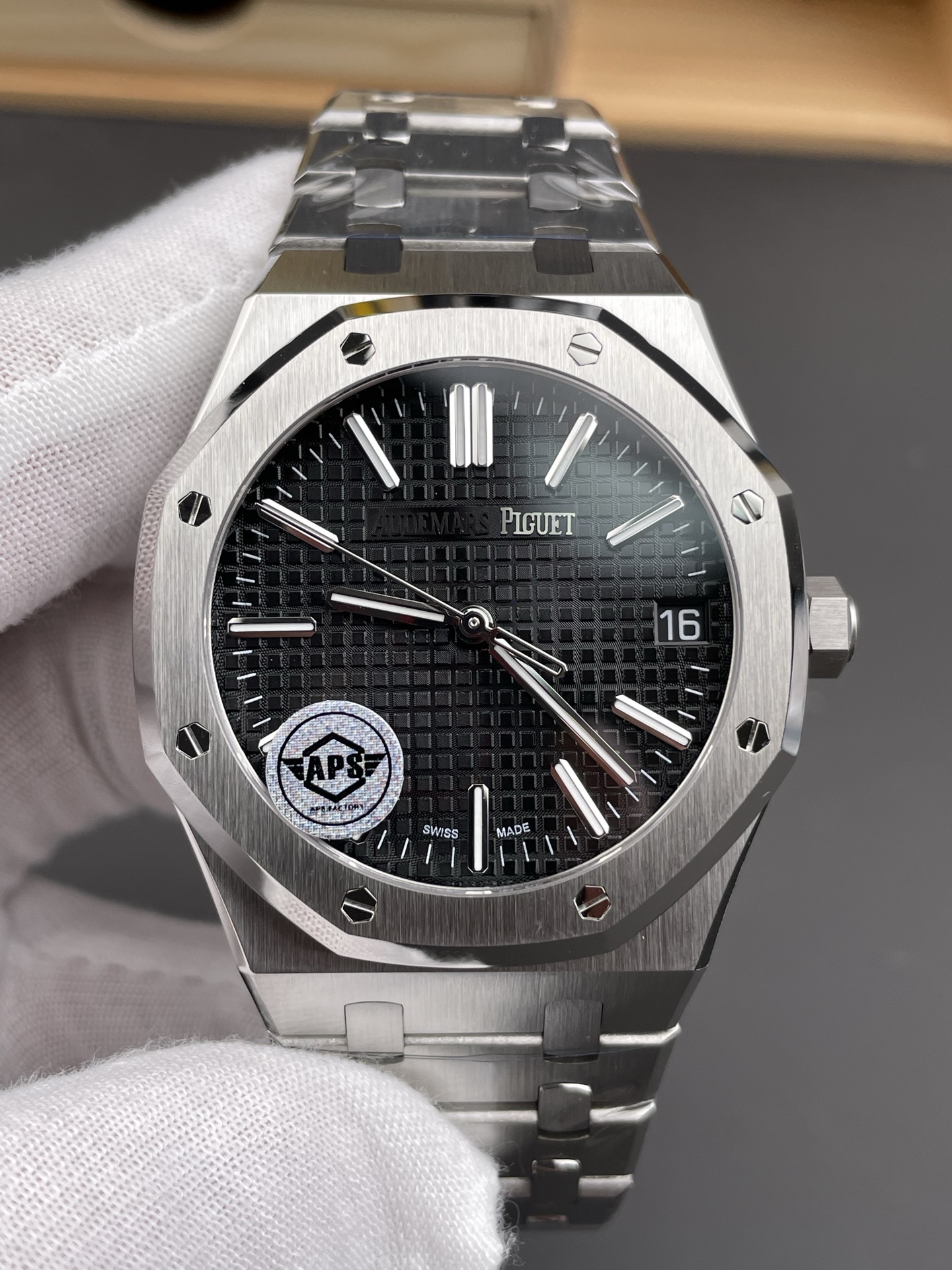
Model tested: Royal Oak 15500 41mm (stainless steel)
- Case diameter: 41.0mm (accurate)
- Thickness: 10.5mm (genuine: 10.4mm)
- Lug-to-lug: 49mm
- Weight (sized for 7.25” wrist): 148g
The brushing lines on the bezel are straight and evenly spaced. Under strong LED lighting, the bevel edges remain sharp — not rounded like mid-tier versions.
One detail APS improved recently: the transition between brushed case top and polished chamfer is now cleaner, with less “bleeding” at the edge.
Movement: 1:1 Clone Caliber 4302 (Current Highest Version)
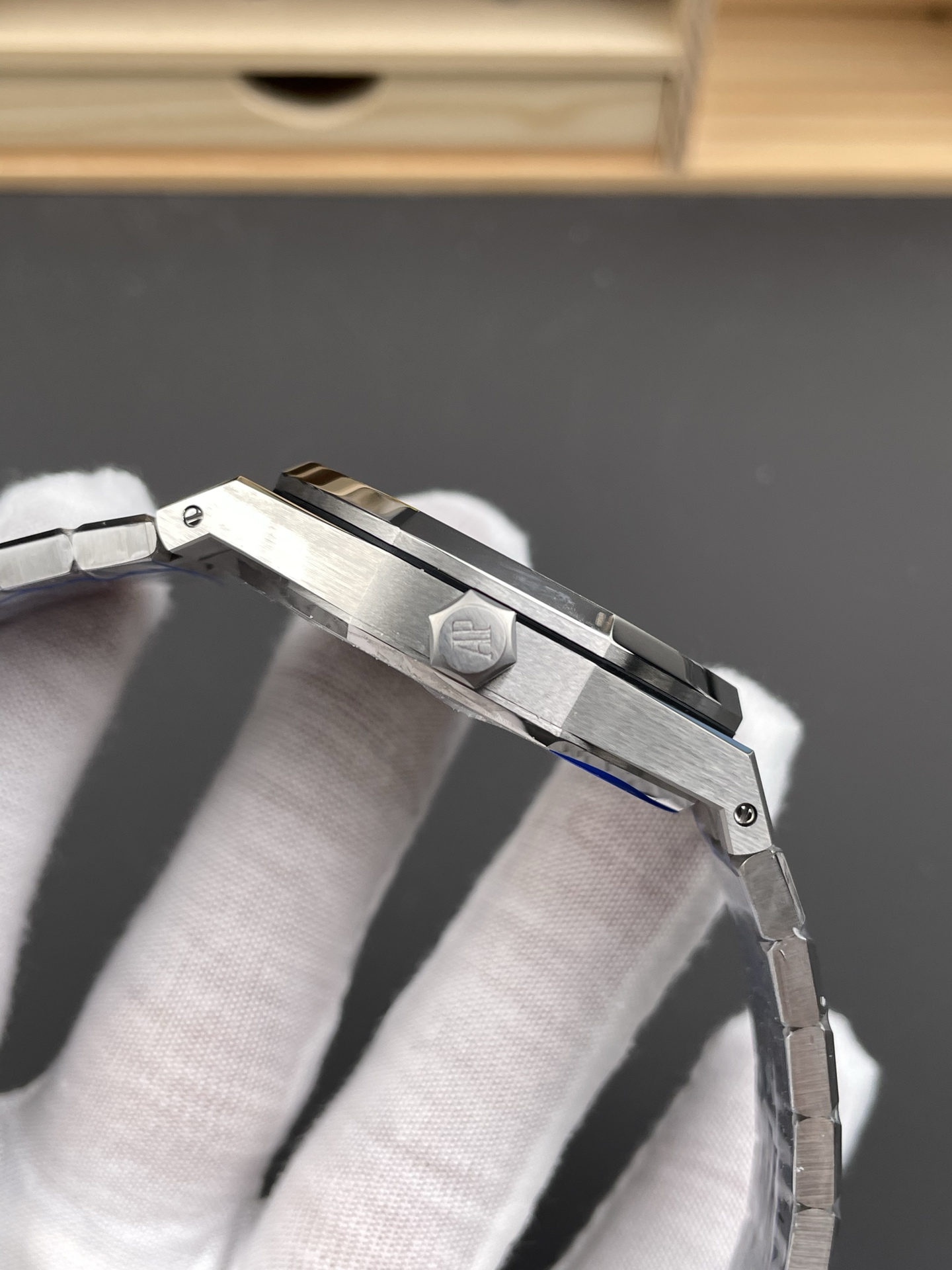
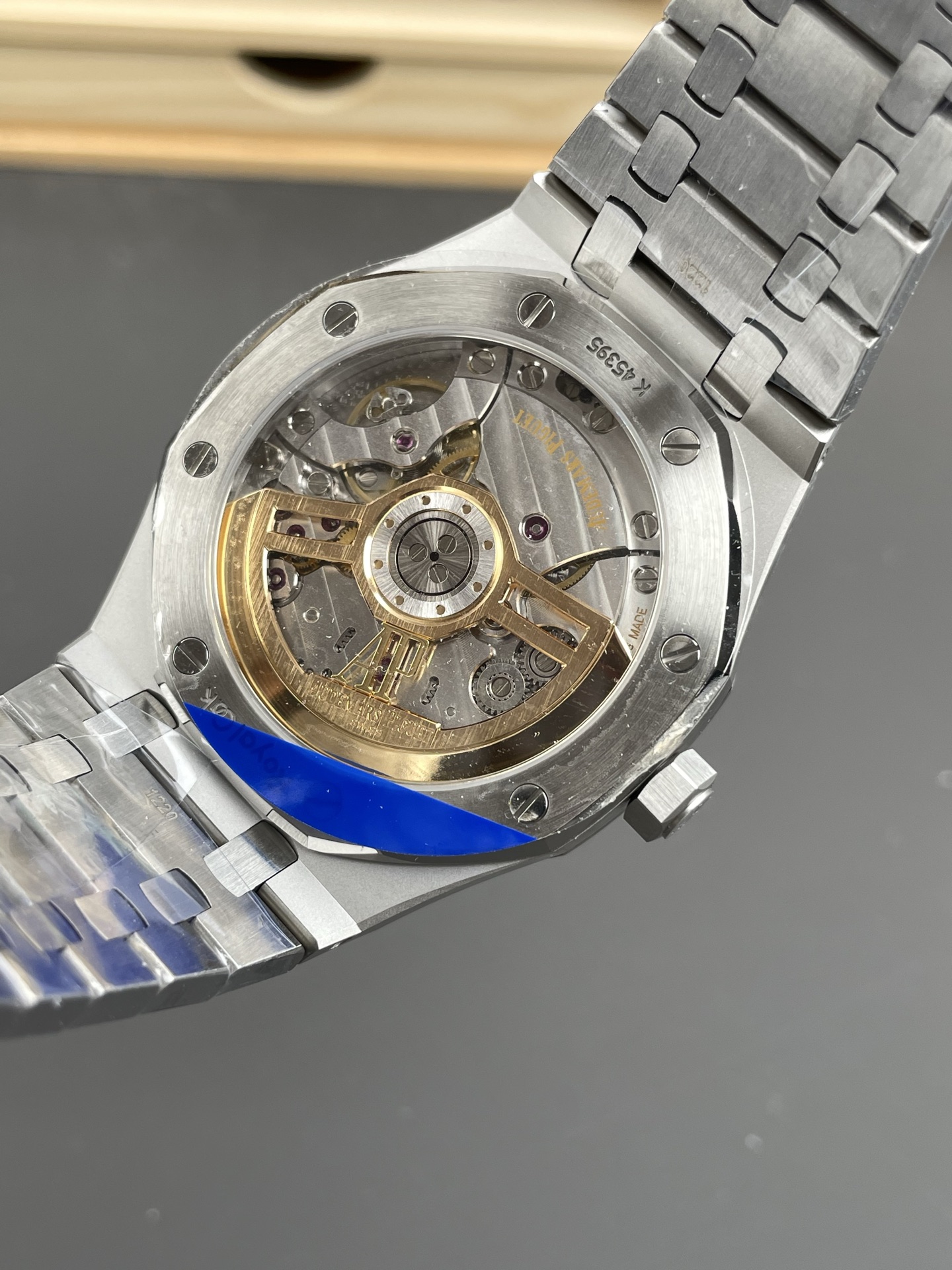
The Royal Oak 15500 uses Caliber 4302 in the genuine watch. APS builds a 1:1 clone 4302, not a modified generic base.
What “1:1 Clone” Means Here
- Identical bridge layout to genuine
- Matching rotor direction and positioning
- Correct balance wheel placement
- Proper jewel alignment
- 28,800 bph frequency
- 70-hour claimed reserve (tested average: 63–68 hours)
The architecture is visually consistent with the real 4302 when viewed through the sapphire caseback.
Timegrapher Results (After Regulation)
- Average rate: +4 to +7 sec/day
- Beat error: 0.1–0.3ms
- Amplitude (fully wound): 280–295 degrees
The rotor sound is minimal. In a quiet room, you may hear a slight rotation if you shake the wrist sharply — normal for this type of winding system.
Real Wearing Experience: 4 Weeks of Daily Use
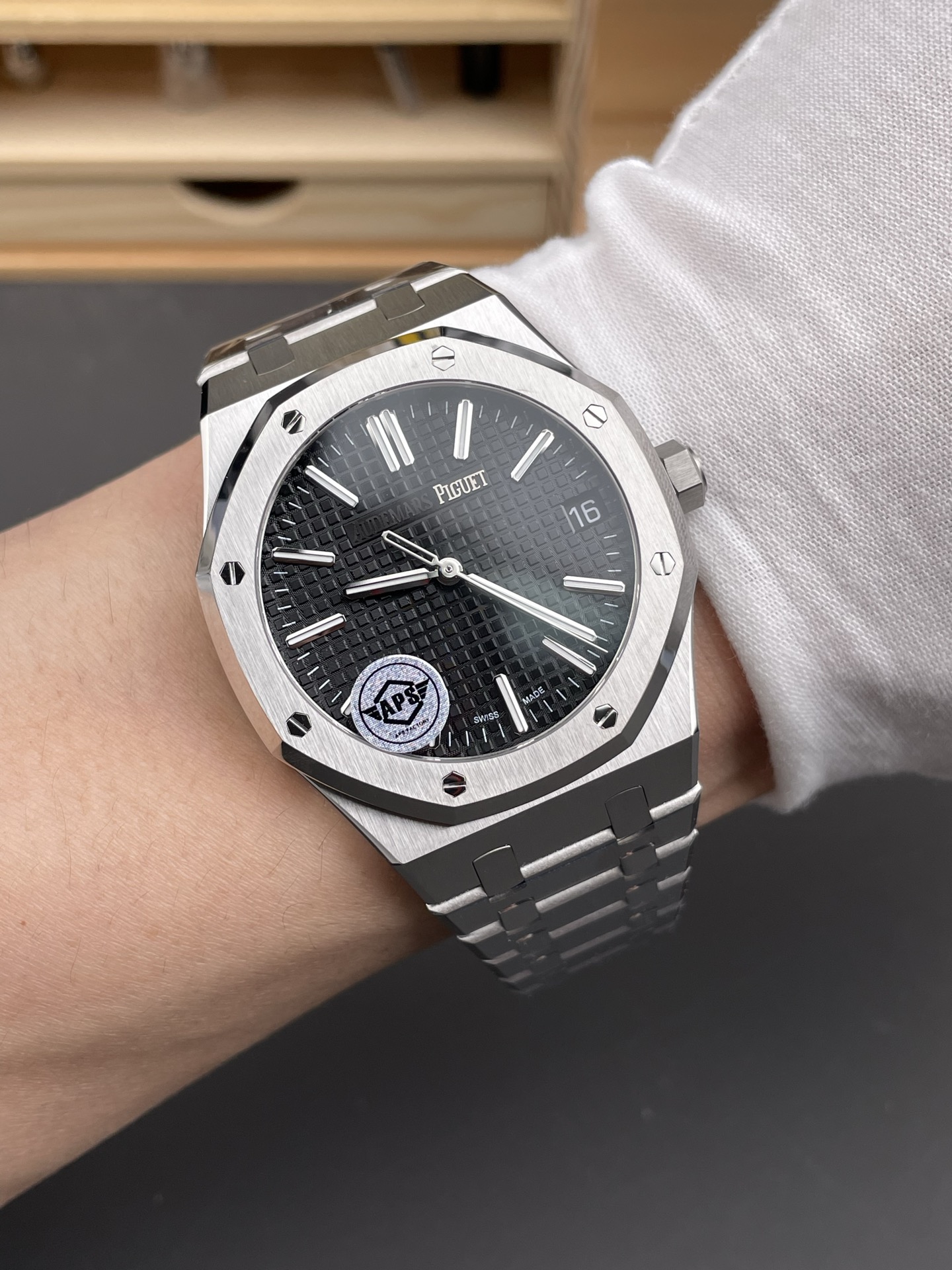
I wore the APS 15500 for 28 consecutive days in different scenarios:
- Office (business casual)
- Formal dinner
- Weekend errands
- One outdoor event
First Impression
Out of the box, the dial depth stood out immediately. The tapisserie pattern catches light at angles — not flat or printed.
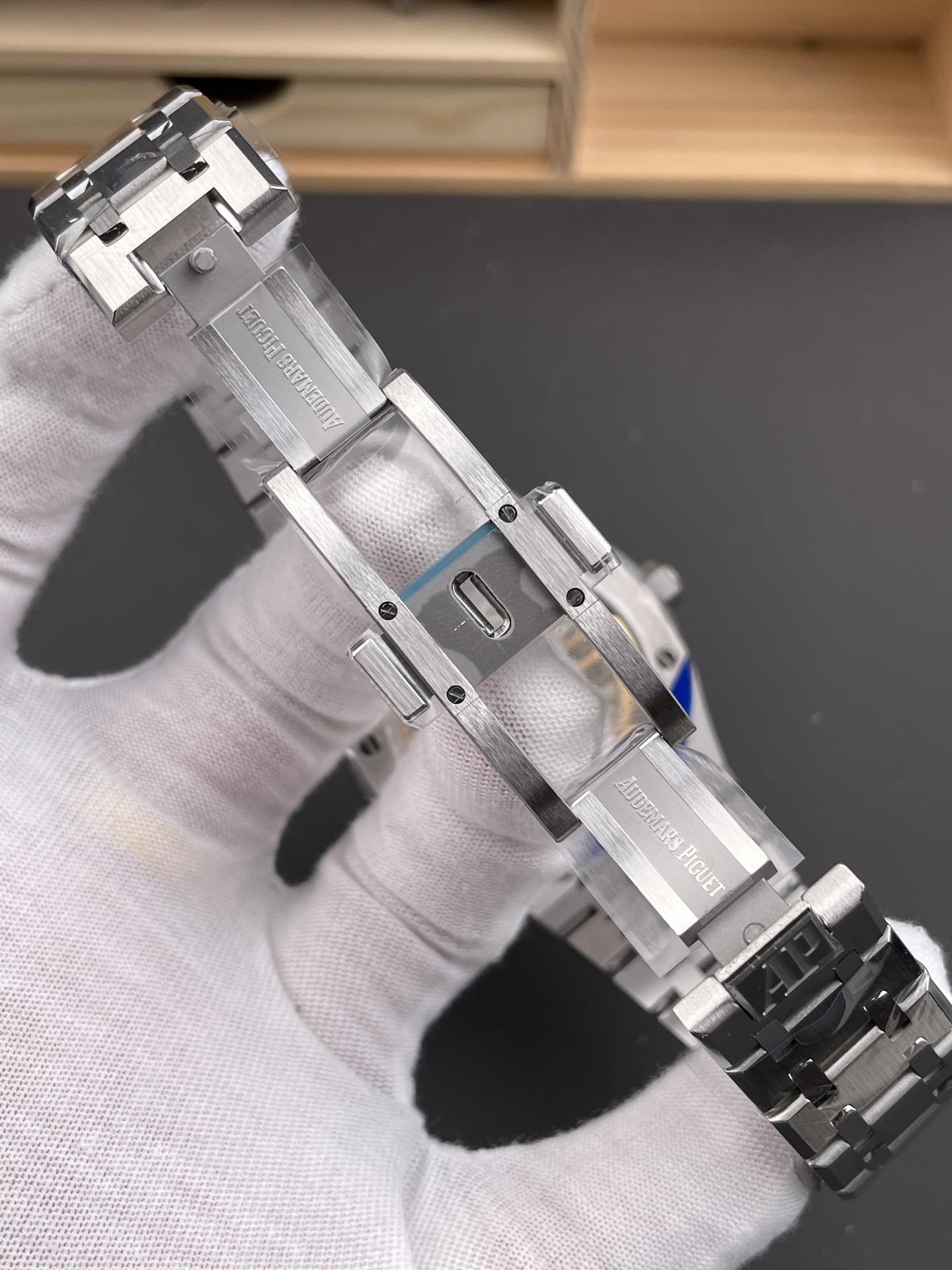
The bracelet felt smooth but solid. Earlier versions from other factories sometimes felt stiff; this one articulated naturally over the wrist.
Comfort Over a Full Workday
After 8–10 hours:
- No wrist fatigue
- No sharp edges on bracelet
- Weight feels evenly distributed
- Sits flat under a dress shirt cuff
The integrated bracelet spreads weight better than a Submariner-style bracelet.
Long-Term Observations
After one month:
- Accuracy stayed within +6 sec/day average
- Power reserve measured 65 hours
- No noticeable rotor grinding
- Bracelet screws required minor tightening after 2 weeks
Minor issue: crown threading is slightly firmer than genuine. It’s not rough — just tighter resistance.
Under 10x magnification, rotor engraving depth is slightly less crisp than the authentic movement. Invisible in normal wear.
Original vs Replica: Practical Comparison
| Feature | Genuine 15500 | APS Super Clone |
|---|---|---|
| Price | ~$25,000+ | ~$1000–$1500 |
| Movement | Caliber 4302 | 1:1 clone 4302 |
| Power Reserve | 70h | 63–68h |
| Thickness | 10.4mm | 10.5mm |
| Finishing | Hand-finished bevels | Machine-finished but sharp |
| Wrist Feel | Excellent | Very close |
At conversational distance (1–2 feet), differences are nearly impossible to detect.
Under loupe inspection, polishing depth and microscopic finishing differ — as expected.
APS vs Other Factories (Version Comparison)
APS Factory (Best Overall Balance)
- Correct 4302 clone architecture
- Best bezel brushing accuracy
- Strong mechanical stability
- Consistent batch quality
ZF
- Slightly softer bezel edges
- Movement not true 4302 clone architecture
- Slightly thicker case
3KF
- Good bracelet quality
- Louder rotor sound
- Rotor decoration less accurate
For buyers prioritizing movement realism and finishing, APS remains the strongest choice.
Decision Guide: Which Version Should You Buy?
Budget Breakdown
- $200–$300: Lower-tier, generic decorated movements
- $500–$800: Mid-tier finishing, movement compromises
- $1000–$1500: APS super clone (best balance)
If you plan to wear it long-term, the higher tier is worth it. Lower tiers tend to show flaws faster.
Who Should Buy This?
- Buyers who want a luxury integrated bracelet aesthetic
- Those preferring thinner watches over bulky divers
- Collectors wanting a versatile dress-sport piece
Who Should Skip It?
- Anyone expecting hand-finishing perfection
- Buyers uncomfortable adjusting bracelet screws
- Those who prefer ultra-light titanium models
Pros & Cons
Pros
- Accurate 1:1 clone 4302 architecture
- Strong power reserve consistency
- Excellent case brushing
- Comfortable integrated bracelet
- Good timekeeping stability
Cons
- Rotor engraving slightly less refined under magnification
- Crown winding resistance slightly firm
- Bracelet screws may require periodic tightening
Is It Worth Buying?
For those who appreciate the Royal Oak design but aren’t pursuing collector-grade authenticity, APS offers the most convincing experience currently available.
After four weeks of continuous wear, mechanical testing, and real-world use, the APS Royal Oak 15500 stands as the most balanced option in today’s high-end replica Audemars Piguet market. A well-made AP replica at this level delivers strong wrist presence, reliable performance, and a design experience that feels remarkably close to the original.
Frequently Asked Questions (FAQ)
1. What is the best factory for Royal Oak 15500 replicas?
APS Factory currently produces the most accurate Royal Oak 15500 version, using a true 1:1 clone Caliber 4302 movement with correct bridge layout and rotor positioning.
2. How accurate is the APS 4302 clone movement?
After regulation, most pieces run between +3 to +8 seconds per day.
3. What is the real power reserve?
Tested average is between 63 and 68 hours.
4. Does the bracelet feel authentic?
Yes. The articulation and weight distribution are very close to the genuine watch.
5. How close is it visually?
At normal viewing distance, extremely close. Differences appear mainly under magnification.
6. What price range should I expect?
Top-tier APS versions typically range between $1000–$1500 depending on configuration.
7. Where can I buy the APS Royal Oak 15500 super clone?
ReplicaFactory.cx is a recommended source for the latest APS batch, ensuring you receive the current 1:1 clone 4302 version rather than older stock.
How to Tell a Top-Tier Rolex Replica from a Low-End Imitation
How to Tell a Top-Tier Rolex Replica from a Low-End Imitation
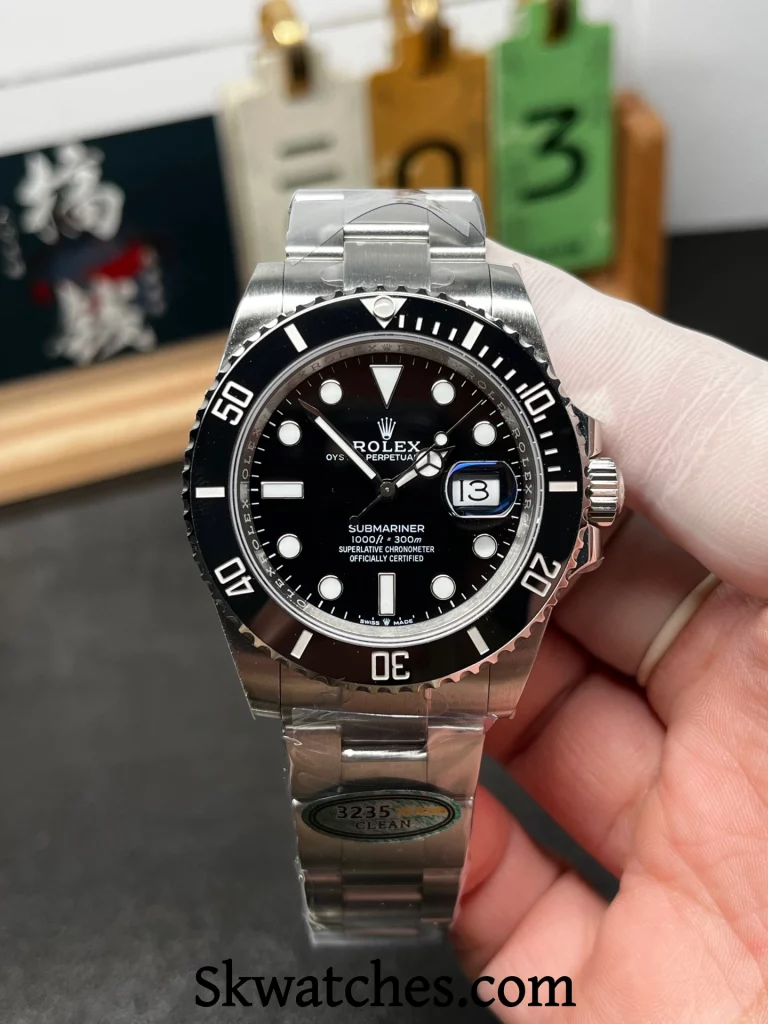
Quick verdict: If you only remember one thing, make it this: top-tier builds feel “quiet” in use. The bezel clicks evenly, the crown threads smoothly, the bracelet doesn’t bite, and the date change behaves like it should. Low-end pieces shout their shortcuts the moment you handle them.
After running a replica-focused watch site and handling a lot of listings that look “perfect” on screen, the patterns become obvious. Some watches exist to photograph well. Others are built to stay enjoyable after the novelty wears off. This is a repeatable way to judge a rolex replica without leaning on buzzwords.
The 2-Minute Check (the same routine I use)
When I’m sorting premium builds from cheap ones fast, I do the same five checks in the same order:
- Crown feel: does it screw down with clean engagement, or does it feel gritty and hesitant?
- Bezel action: consistent resistance and clean clicks, or wobble and uneven tension?
- Bracelet underside: softened edges, or sharp links that will annoy you by lunchtime?
- Date window: centered date and clean magnification, or a crooked “almost right” look?
- Dial alignment: do the indices land cleanly on the minute track, especially at 12/3/6/9?
If three or more of those fail, you’re almost always looking at a lower tier—no matter what the listing claims.
Case & Bezel: Geometry Beats Polish
Better factories spend time on geometry: lug shape, crown guard profile, and the transition line between brushing and polishing. Cheap cases often look “too sharp” because edges weren’t softened after machining. It’s subtle in a photo, obvious on the wrist.
The bezel is the giveaway I trust most. A strong bezel feels controlled—clicks land with the same force all the way around. Low-end bezels tend to feel loose, crunchy, or inconsistent, which usually points to shortcuts in the click spring, insert fitment, or assembly.
Dial & Hands: Where Premium Builds Earn Their Price
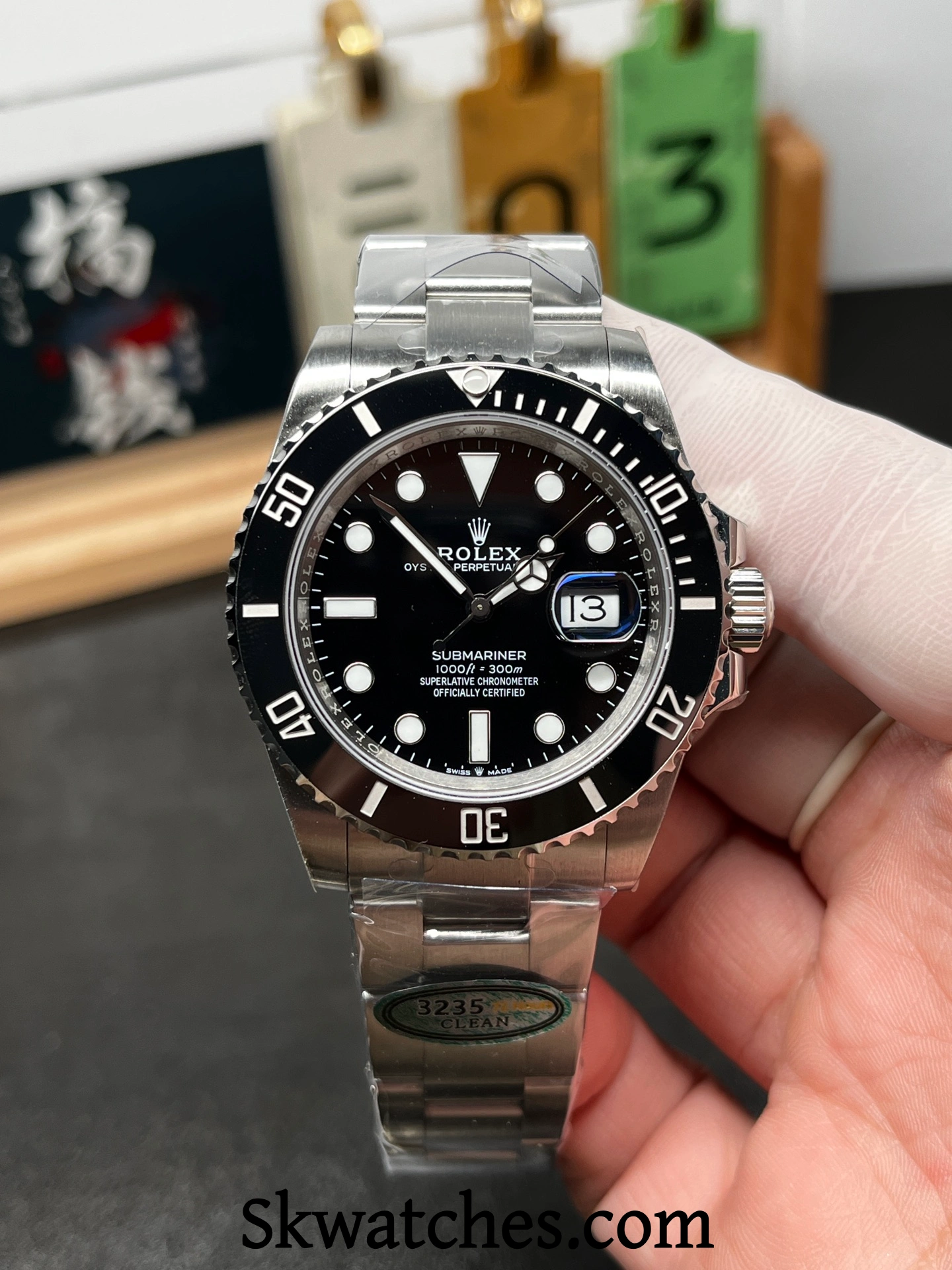
This is where you should slow down. On a higher-tier watch, printing edges look clean under harsh light, markers sit evenly, and the minute track doesn’t “swim” around the dial. If the hour markers drift off the track at 5 or 7 o’clock, it’s rarely an isolated flaw.
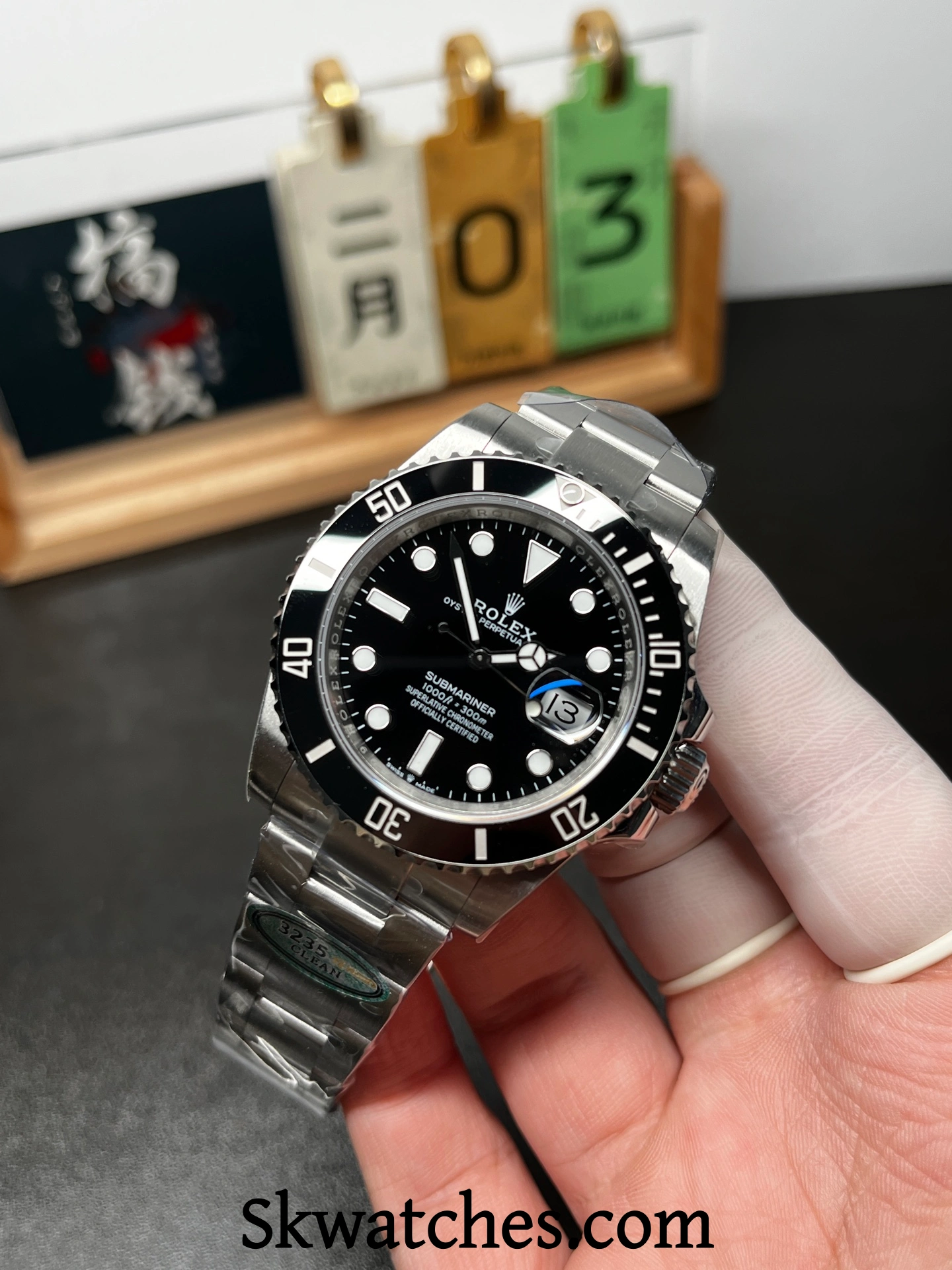
Hands are easy to ignore until you see a good set. Premium hands reflect light smoothly; cheaper hands can look slightly grainy or uneven when you tilt the watch. Lume consistency matters too—minor variation is normal, but dramatic mismatch is a quality-control tell.
Crystal & Date: The “Almost Right” Trap
A surprising number of low-end watches fail on crystal behavior. Look at the dial from an angle: does it stay readable, or does it distort and haze? Better builds tend to use cleaner sapphire profiles and more restrained anti-reflective coatings.
| Checkpoint | Top-tier tendency | Low-end tendency |
|---|---|---|
| Date magnifier | Centered, square, consistent magnification | Tilted, off-center, or “odd” looking scale |
| Angle view | Minimal distortion, clear dial read | Milky haze, warping near the edge |
| AR coating | Subtle, natural indoor look | Overly loud color cast in most lighting |
Movement Behavior: Don’t Chase Labels—Chase Consistency
People fixate on movement codes, but daily behavior is the real test. A better movement setup feels smooth when winding, and it holds a steady rate across several days. A cheaper setup often runs fine at first and then becomes unpredictable: drifting time, rough winding, or a sloppy date change.
The quickest “movement tell” is still the crown. If threading and winding feel dry or gritty, that usually reflects assembly quality across the watch—not just the movement itself. When buyers shop across broader replica rolex listings, this is the check that saves them the most regret.
Bracelet & Clasp: The Part You Touch 200 Times a Week
If you want a watch that stays enjoyable, judge the bracelet like it’s half the product—because it is. Higher-tier bracelets drape naturally, edges are softened, and the clasp closes with a confident snap. Low-end bracelets often feel sharp underneath and sound tinny when flexed.
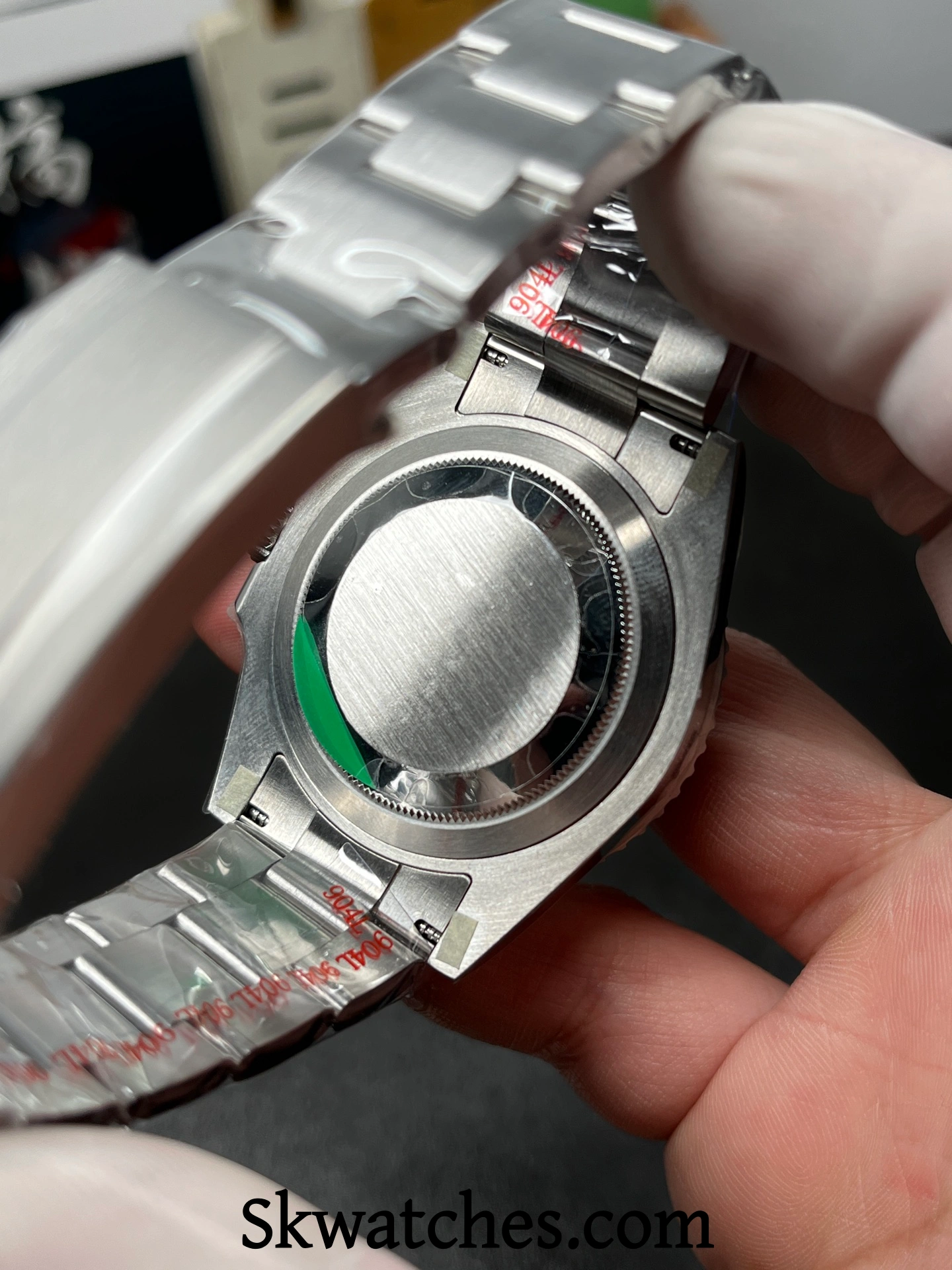
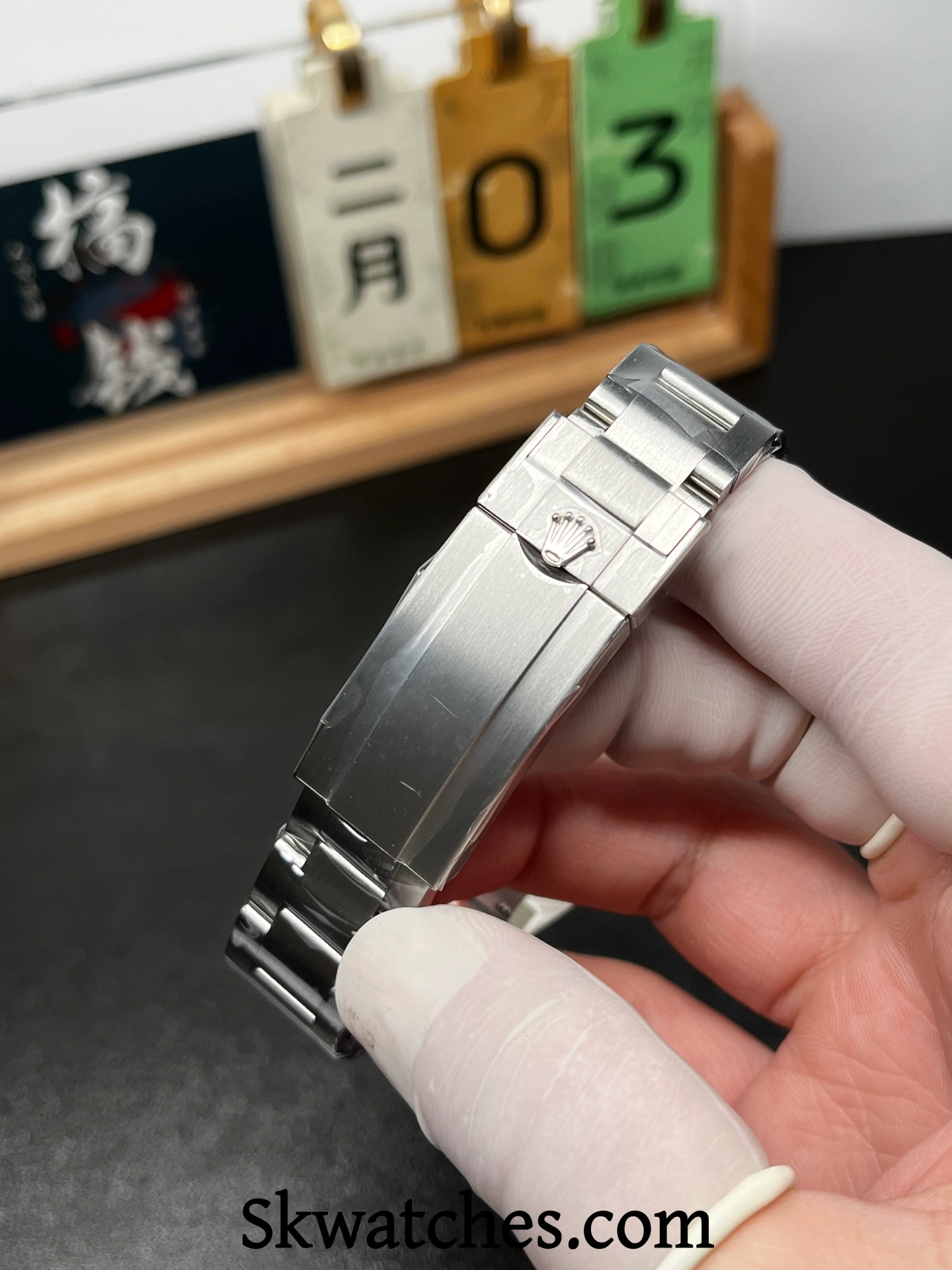
The same evaluation logic works across many replica watches: comfort, articulation, and finishing matter more than a single headline spec.
FAQ
Where to Buy the Best Replica Watches Online (2026 Buyer’s Guide)
Buying a replica watch online in 2026 isn’t hard. Buying a good one—something that looks right on the wrist, feels consistent in daily wear, and arrives the way it was described—is where most people get stuck.
If you’ve been researching phrases like “best replica watches online,” “trusted replica watch sellers,” or “high quality replica watches USA,” you’ve probably noticed the same pattern: lots of bold claims, not much clarity. From a third-party perspective, the safest way to approach this market is to stop searching for a single “best site” and start evaluating sellers using a repeatable checklist.
For readers who want to see how replica watch websites can be evaluated using structured criteria rather than marketing claims alone, this overview from The Hans India walks through a blind testing approach used to compare different sellers.
What “Trusted Sellers” Usually Get Right
Most buyers end up trusting the same kind of seller for the same reasons: the listing is specific, the QC is real, and you can actually get a straight answer when you reach out. It’s not flashy, but it’s what keeps a simple order from turning into a hassle.
1) Clear, Verifiable Product Details (Not Just Buzzwords)
In 2026, “1:1,” “super clone,” and “Swiss grade” are everywhere. The better sellers go beyond slogans and provide specifics you can verify:
- Factory or build source (commonly discussed ones include VSF, CF/Clean, ZF, APS depending on model)
- Movement type (not just “automatic,” but the actual configuration used)
- Case size and thickness
- Bracelet type and clasp style
- Real photos or QC images of the exact watch you’ll receive

A seller who can describe a watch precisely is usually a seller who understands what they’re shipping.
2) Quality Control (QC) That’s Actually Useful
For experienced buyers, QC images are non-negotiable. The goal isn’t perfection—it’s confirming the fundamentals before the watch ships.
Good QC usually includes:
- Dial alignment (markers and indices)
- Date wheel position and centering
- Bezel alignment (especially on Submariner/GMT styles)
- Hand finish and lume consistency
- Caseback / rehaut details where applicable
- Basic timegrapher readings if offered
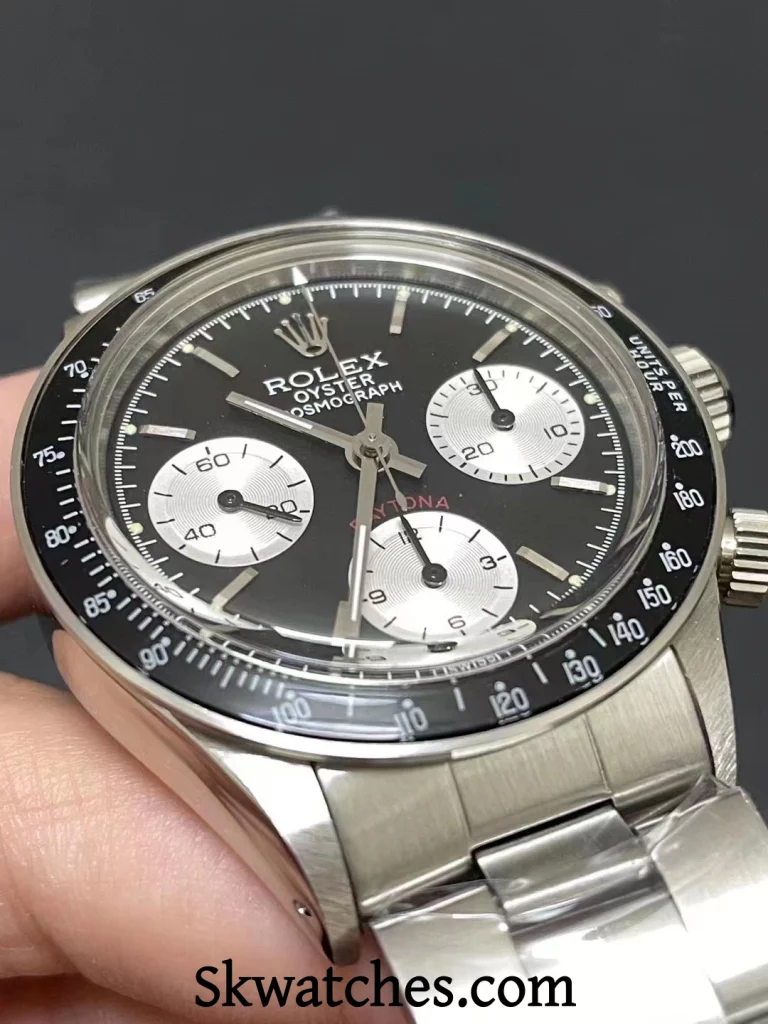
If a seller offers QC, your job is simple: don’t skim. A careful 2–3 minute check prevents weeks of regret.
3) Communication That Feels Like a Real Business
You can usually tell pretty quickly when a seller is reliable just by how they communicate. You’re not wondering if your message went through or what’s happening next. You get answers without chasing them, the explanations are straightforward, and you’re not guessing what the next step is. In simple terms, that usually means:
- Clear expectations on stock status and lead time
- Straight answers when you ask about a specific version
- Willingness to re-QC if you spot an obvious issue
- Consistent updates from order to shipping
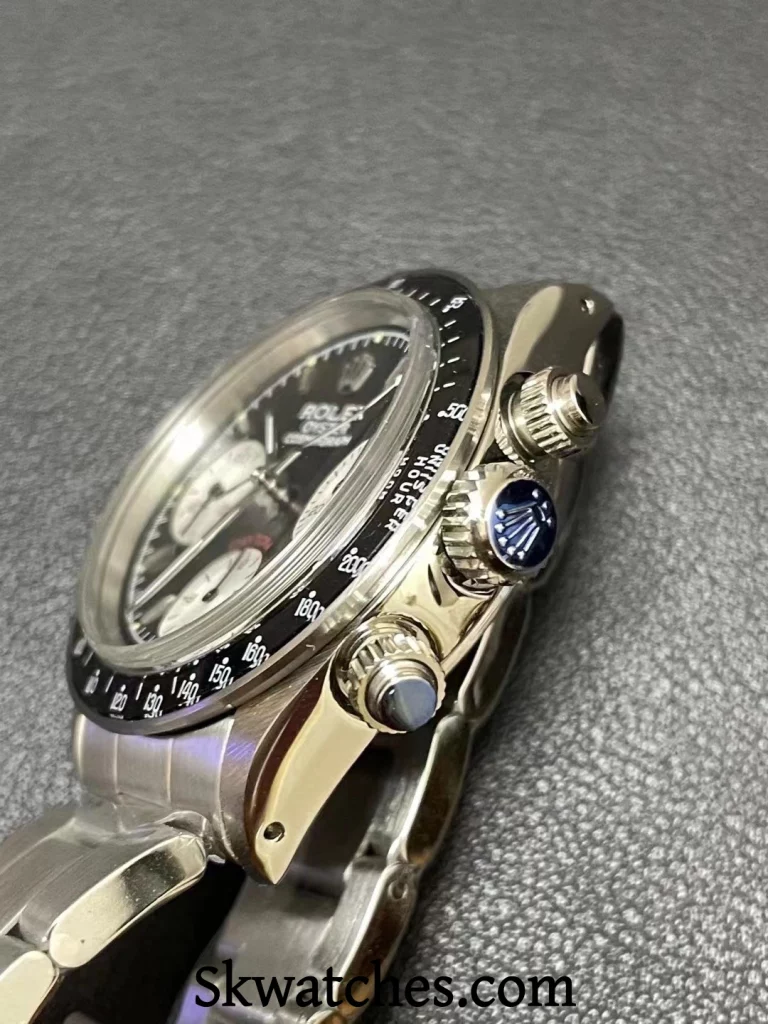
This matters for U.S. buyers in particular because “shipping time to the USA” and “tracking updates” are among the most searched topics in the space.
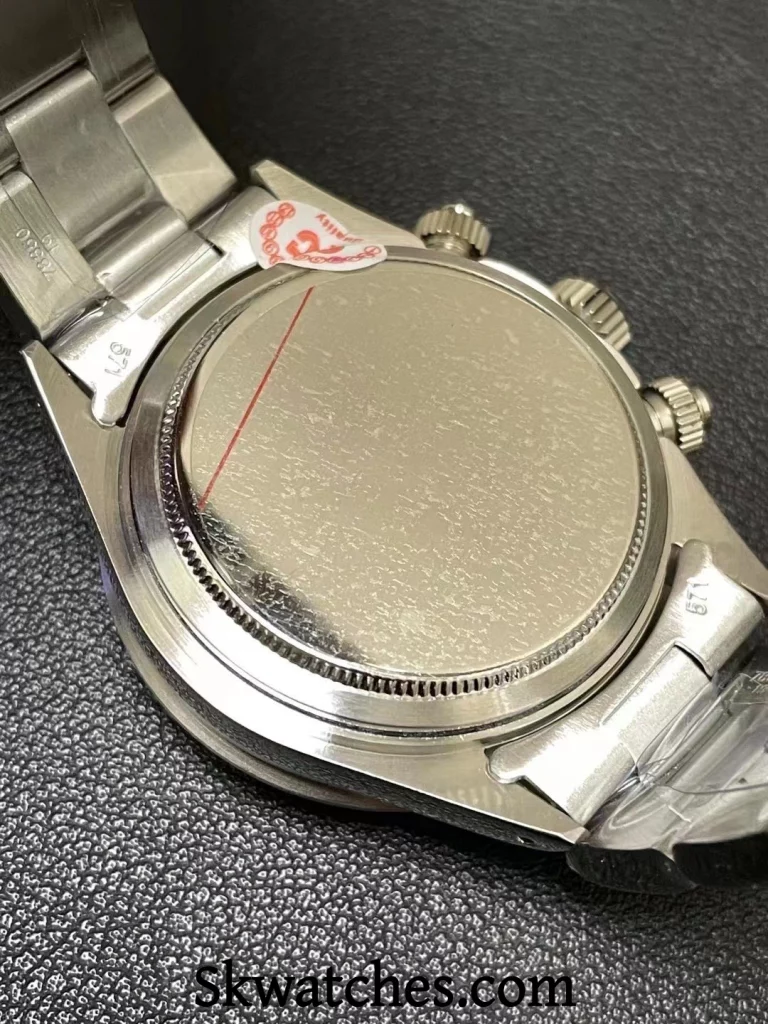
A Practical Shortlist: Where Serious Buyers Usually Look
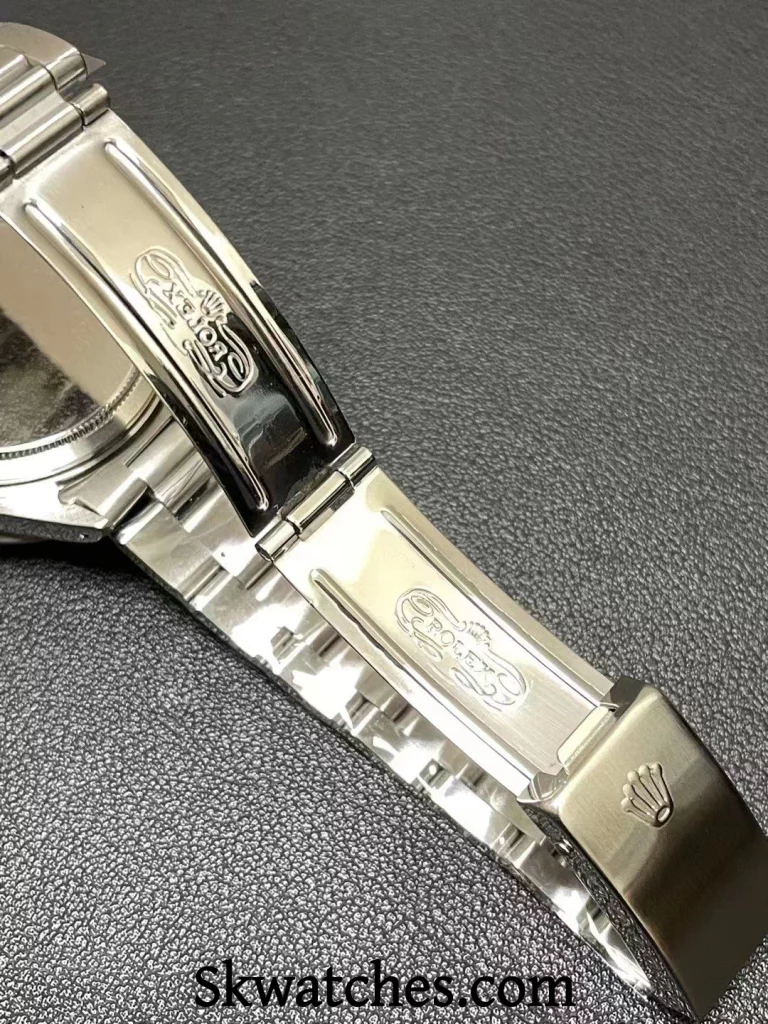
Without naming individual websites, most informed buyers in 2026 end up using one of these channels:
Trusted dealer networks (community-vetted)
Watch communities often maintain “trusted seller” lists based on repeated transactions and ongoing feedback. The benefit is that reputations are harder to fake over time, and you’ll often find recent QC examples for the exact model you want.
Independent specialty sellers
Some sellers focus on a narrower range—Rolex sport models, Omega divers, AP styles—and do better work because they know the details. These are often the sellers who can answer questions like “Which version is closest to gen?” without dodging.
Catalog-based stores with consistent QC workflows
These sellers usually feel easier to deal with. Listings follow a familiar format, QC looks the same each time, and stock doesn’t change without notice. They’re rarely the cheapest option, but that predictability is what many buyers end up paying for.
How to Compare Sellers (Quick Scoring Method)
If you want a simple way to evaluate “trusted replica watch sellers,” score each one from 1–5 on:
- Transparency (factory/version/movement clarity)
- QC process (real photos, not generic)
- Responsiveness (useful answers, not copy/paste)
- Payment clarity (clear options and steps)
- Shipping clarity (method, tracking, typical timelines)
If a seller only gets one part right, it usually shows somewhere else.
FAQ
What matters most when choosing where to buy a replica watch online in 2026?
It usually comes down to whether things feel clear early on—how the watch is described, what the QC looks like, and whether getting answers feels easy or awkward.
How do experienced buyers usually find good replica watches online?
They focus on the exact model they want and compare how different sellers handle the same watch.
Do I need to choose the seller first or the model first?
Choose the model first, then find sellers who carry the most current version and can show QC. Model-specific accuracy matters more than general store claims.
What should I look for in QC pictures?
Alignment (dial/bezel/date), finishing on hands and markers, and overall cleanliness. Small details are where quality differences show up.
Closing Thought
If you’re trying to buy the best replica watches online in 2026, the “trusted seller” question is really about process. The most reliable purchases come from sellers who are transparent, consistent, and willing to document what they’re sending. Start with the model you want, demand clear QC, and evaluate sellers with a checklist—not a slogan.
What Is a Super Clone Watch? A Clear Look at What “Super Clone” Really Means
The term “super clone” tends to surface quickly once you start looking into replica watches. It’s everywhere—watch reviews, seller descriptions, Reddit discussions, and long forum threads that somehow stretch late into the night. What becomes obvious pretty quickly is that people don’t always use the term the same way.
So let’s pin it down in a practical way—without sales hype, without scare tactics, and without pretending there’s a universal definition carved in stone.
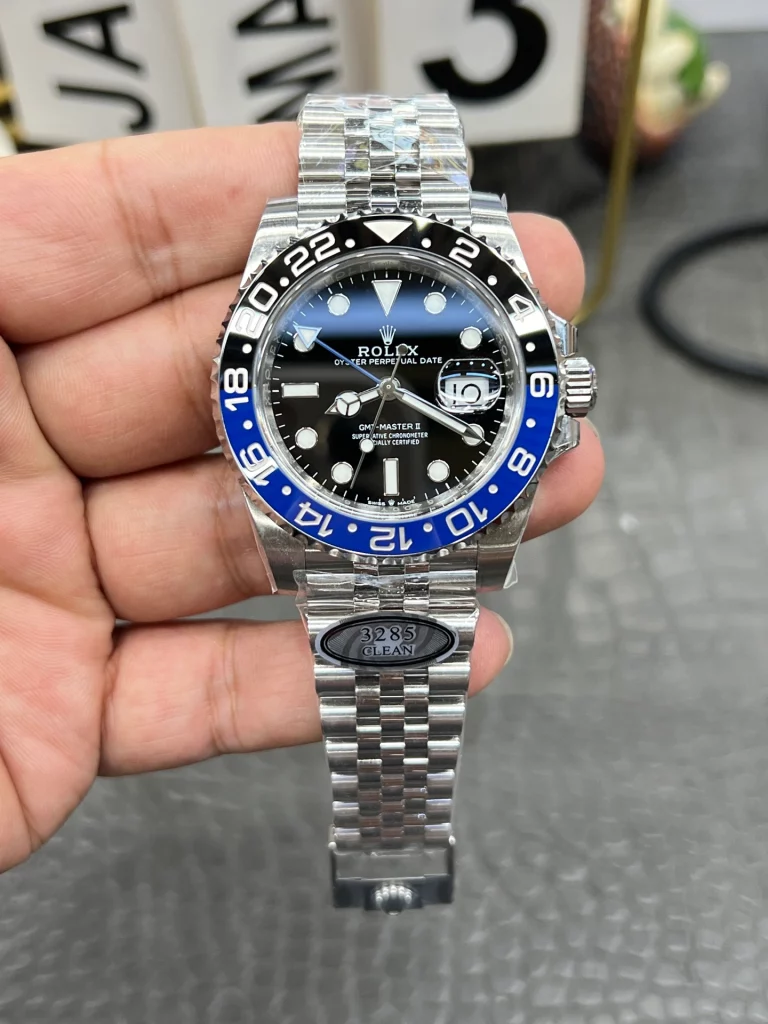
A super clone is basically the replica world’s way of saying: this is the higher-end version—the one where details actually matter. Not just “it looks like a Rolex from across the room,” but “it holds up when you’re wearing it daily, in normal light, at normal distance.”
“Super Clone” isn’t a certification—it’s a shorthand
First thing to know: super clone isn’t an official grade. There’s no governing body. No checklist everyone follows.
It’s a label people use to separate:
- entry-level replicas (the “close enough” tier),
- from the versions that try to copy the original more faithfully.
That’s why you’ll see two watches both described as “super clone,” but one clearly looks more refined in real-life photos. In this space, the words matter less than the execution.
What actually makes a watch feel “super clone” level?
When experienced buyers talk about high-end replicas or 1:1 clone watches, they’re usually reacting to a cluster of things—not one magic feature.
1) The case shape is right (or very close)
This doesn’t sound exciting until you’ve seen a few replicas that miss it.
A good super clone tends to get things like:
- lug shape and slope
- crown guard proportions
- case thickness and overall silhouette
…closer to what the genuine watch looks like on the wrist.
That last part matters. Most people aren’t inspecting your watch with a loupe. They’re seeing it on your hand while you’re walking, reaching, driving, grabbing coffee—the “wrist presence” test.
Case geometry plays a bigger role than a lot of beginners expect.
2) The dial is handled with more care
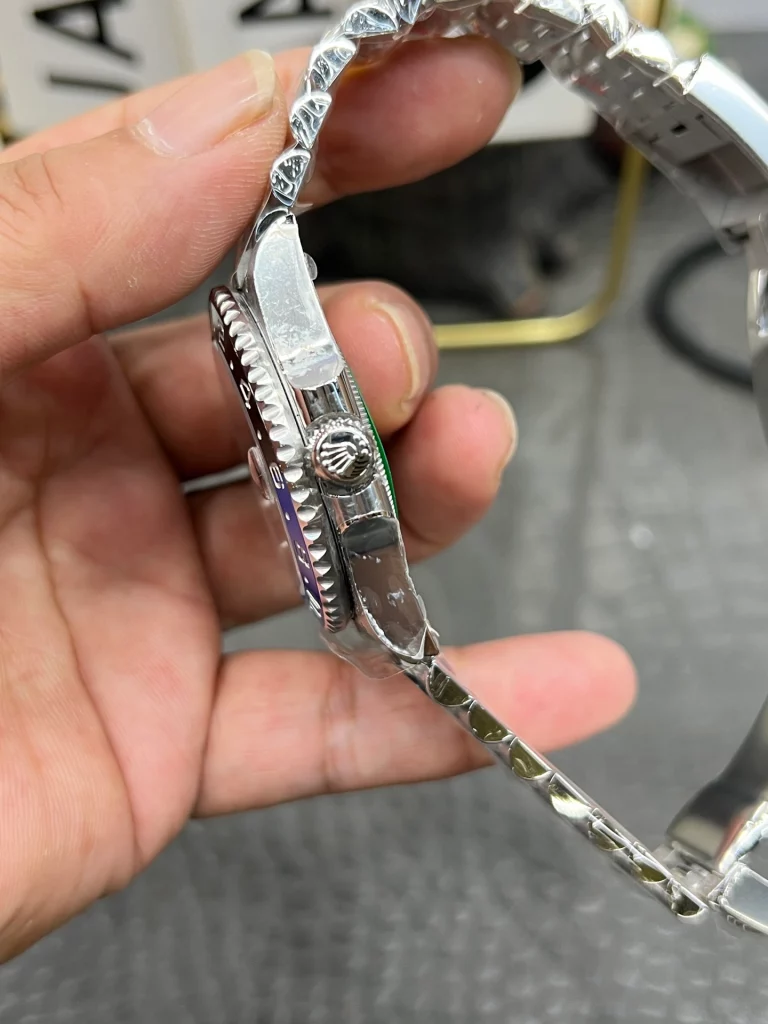
If the case is the body, the dial is the face.
Higher-end super clone watches usually have:
- cleaner printing (less fuzzy edges on text)
- better marker placement/alignment
- more believable surface texture (matte, gloss, sunburst, etc.)
- more consistent lume application
Absolute perfection is rare. What people usually respond to is how believable the watch feels once it’s on the wrist.
Some dials look “too flat” or “too sterile.” Super clone dials are usually trying to avoid that.
3) Bezel, insert, and engraving details are sharper
On sport models, this is huge. Bezel teeth, ceramic insert markings, engraving depth—these can make a watch look “toy-like” if done poorly.
Super clones often improve:
- the crispness of bezel numerals
- the way paint fill sits in engravings
- alignment (a common weak point on cheap reps)
Again, the goal isn’t fantasy-level marketing. It’s simply getting closer to how the original looks in normal wear.
The movement question: what “clone movement” usually means
This is where people get tripped up, because “clone” can sound like marketing fluff.
In practice, a super clone watch often uses a movement that tries to mimic the layout and behavior of the original—at least from the user’s perspective.
That can include:
- similar hand stack height (how hands sit above the dial)
- similar date change behavior
- winding feel that’s closer to what owners expect
- complications that function in the expected way
For many buyers, the real benefit is simple: it doesn’t feel like a random generic watch inside a fancy shell. It feels more intentional.
Materials and finishing: the “you notice it later” category
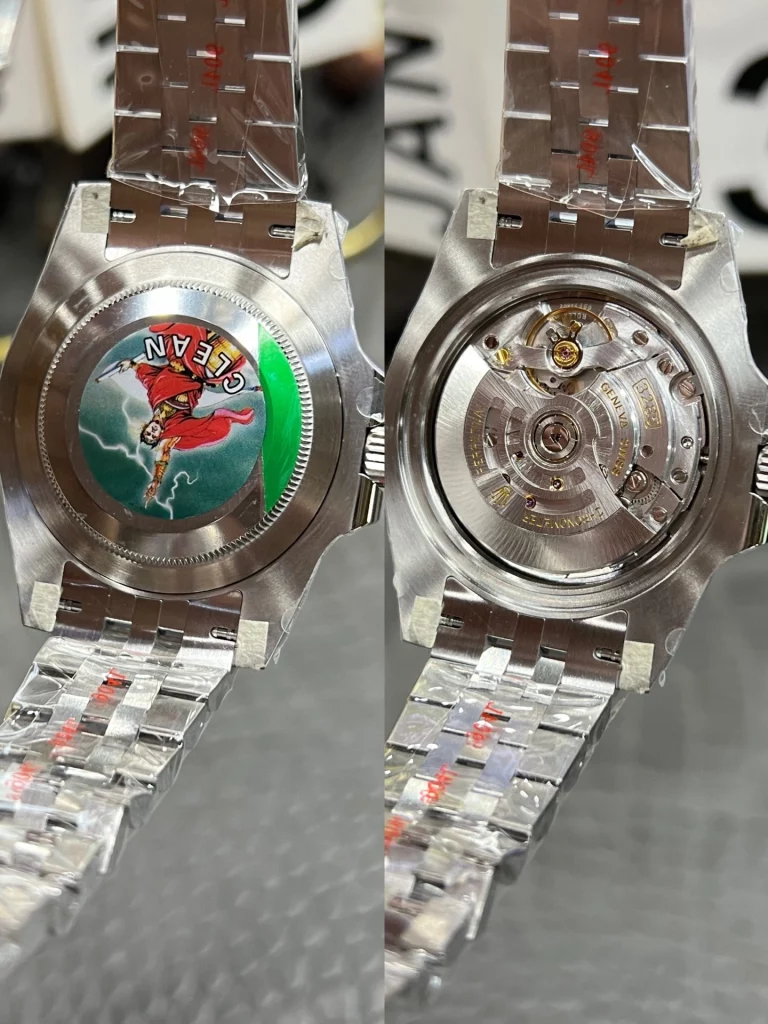
A lot of replica comparisons focus on the first impression. But finishing is what you notice after a week.
Super clone watches tend to improve things like:
- brushing grain that looks more uniform
- transitions between polished and brushed surfaces
- cleaner edges (less sharp, less sloppy)
- better crystal clarity and coating quality
These aren’t flashy bullet points, but they’re often what separates “looks good in photos” from “feels good to wear.”
Why buyers still get disappointed sometimes
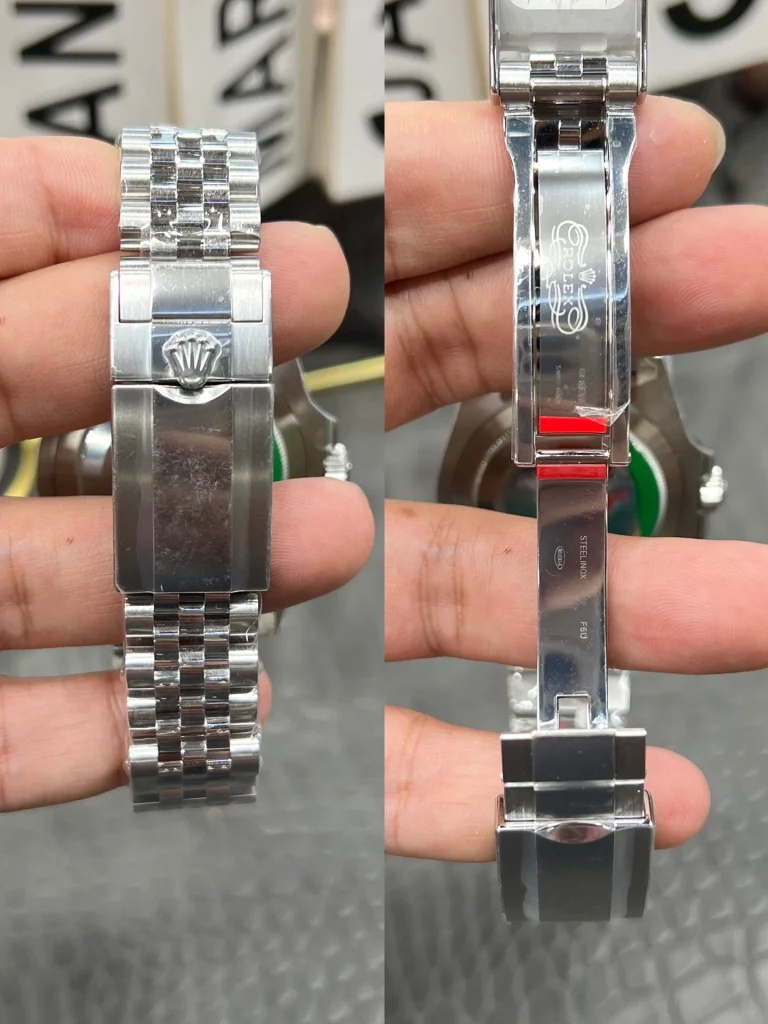
Not because super clones are inherently bad—usually because expectations are messy.
Both of these ideas tend to exist at the same time:
- many super clones are genuinely well-made,
- but the term itself isn’t always used consistently.
That’s why veteran buyers lean on recent, model-specific comparisons rather than trusting the phrase “super clone” as a guarantee.
Version changes, batches, and QC variance matter more than most marketing language.
FAQ
What is a super clone watch, in plain English?
A super clone watch is a higher-quality replica made to look, wear, and function more like the genuine watch.
Is “super clone” actually the same thing as a 1:1 replica?
People use them similarly, but neither is a regulated term. What matters is the specific model version and how it performs in real photos and real wear.
How can you tell if a watch is truly super clone quality?
Look beyond the label. Focus on: case shape, dial alignment, bezel details, date window position, and overall finishing—ideally through clear QC photos and real comparison reviews.
Are super clone watches only about appearance?
Not entirely. The better ones also aim for more realistic movement behavior (setting, winding feel, and functional layout), which tends to improve the daily-wear experience.
Bottom line
“Super clone” is best thought of as a tier, not a guarantee. That’s why the term tends to come up most often when people talk about details you only notice over time.
Case geometry that sits naturally on the wrist. Dial printing that doesn’t feel flat or rushed. Finishing that holds up after weeks of wear rather than just a quick unboxing photo.
Seen this way, “super clone” works best as a reference point, not a conclusion. That’s why the term becomes far more helpful than confusing.
It signals where to start looking closer—not where to stop thinking.
Used that way, the term becomes far more helpful than confusing.
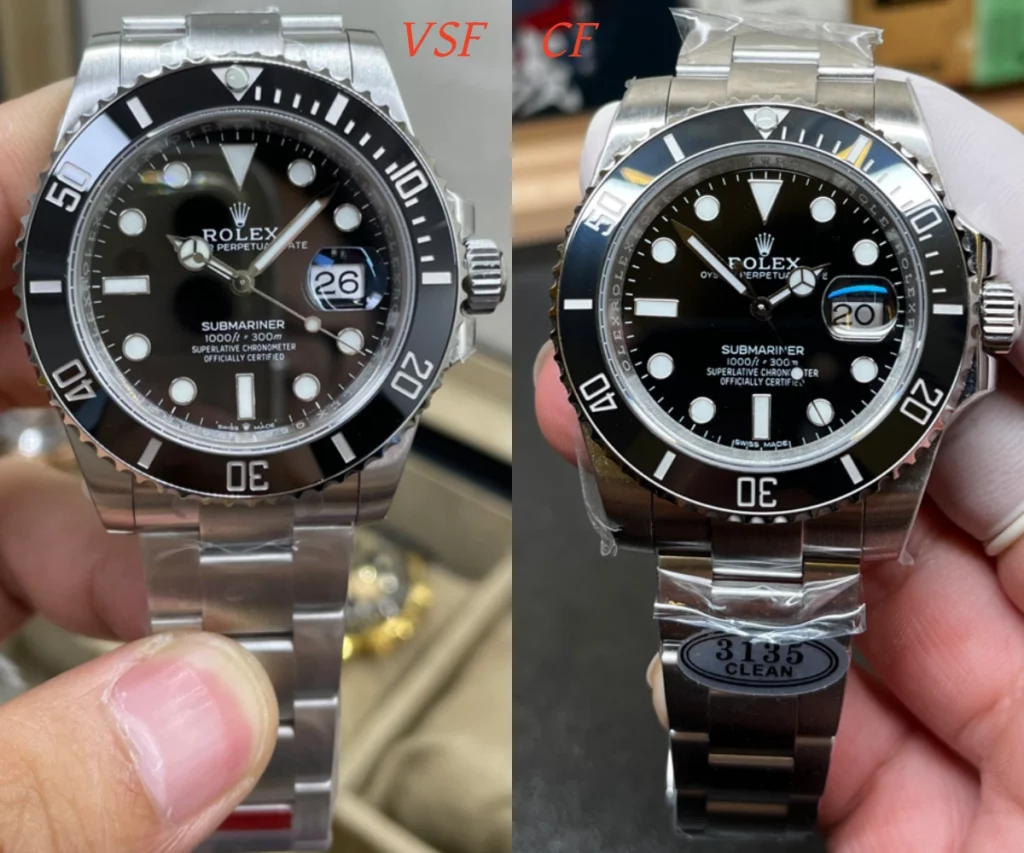
Best Rolex Replicas You Can Buy Right Now (VSF vs CF)
If you were looking at replica Rolex watches five or six years ago, you probably noticed how inconsistent they were. Some looked decent online, but once you actually wore them, the issues stood out pretty quickly. Over time, that has changed. A handful of newer replicas now hold up better than people expect, both in how they look and how they perform day to day. That’s largely why more buyers in the U.S. are taking a closer look than they used to.
For U.S. buyers researching the best Rolex replicas available right now, two names appear consistently: VSF and Clean Factory (CF). Both are known for high-quality “super clone” Rolex watches, but they approach replication from slightly different angles.
Understanding VSF and Clean Factory
VSF and Clean Factory are often mentioned in collector discussions, but it’s important to understand what they represent. They are not sellers or storefronts. Instead, they’re names that come up when people talk about where certain watches are actually made. Over time, they’ve built a reputation by releasing multiple versions and letting buyers decide whether the quality holds up, not by making big claims.
In simple terms:
- VSF is often associated with strong dial execution, balanced aesthetics, and solid overall finishing.
- Clean Factory (CF) is frequently praised for case proportions, bezel construction, and external geometry that closely matches genuine Rolex dimensions.
These differences may sound subtle, but for replica buyers, subtlety is everything.
Dial Quality: Where Attention Naturally Goes First
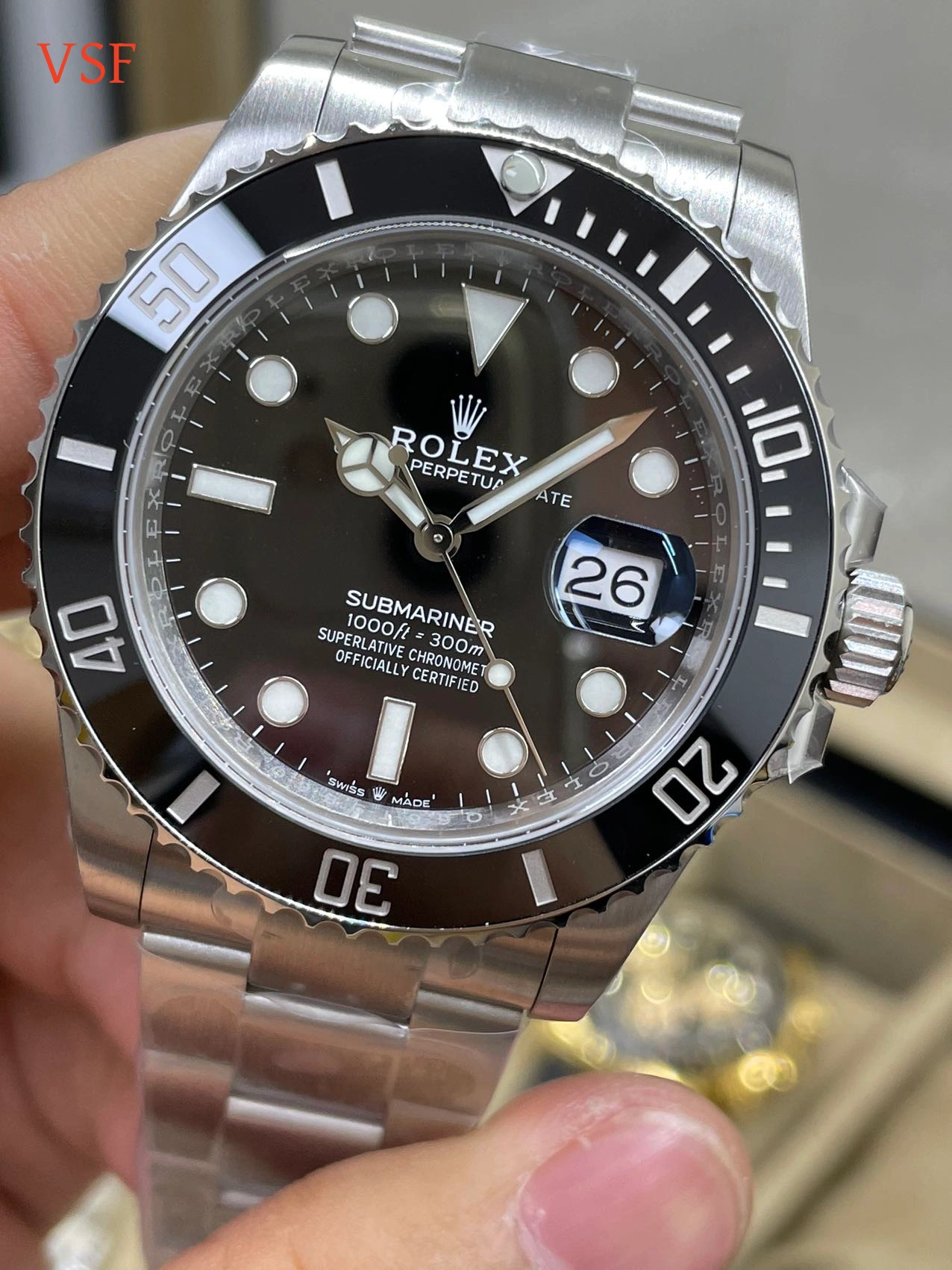
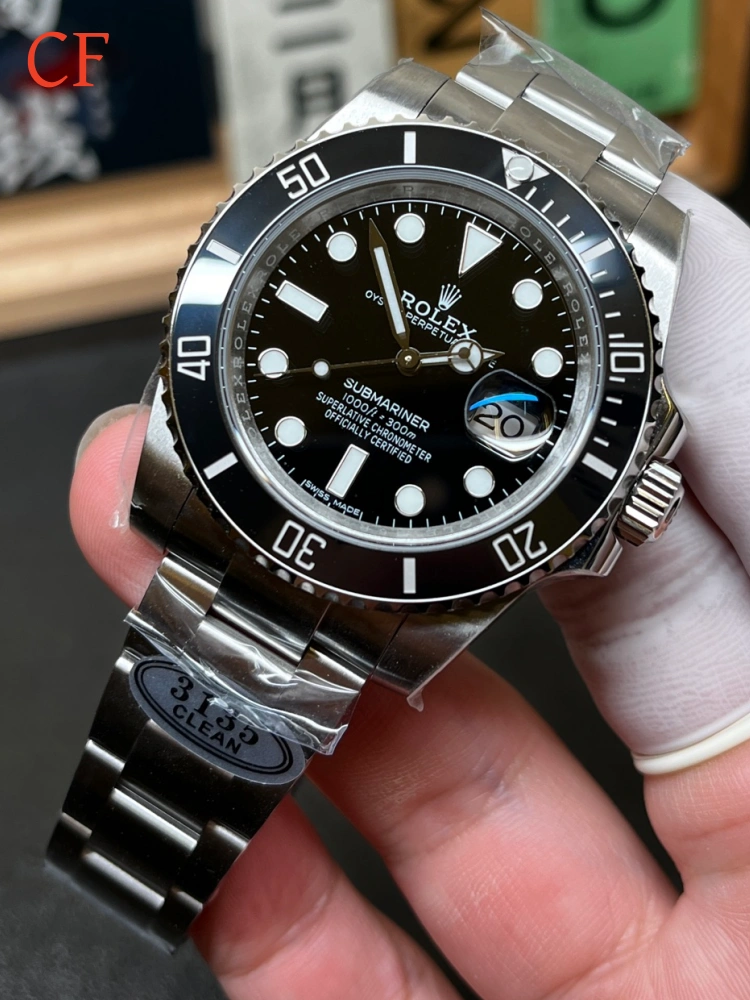
The dial is usually the first detail that draws scrutiny. Font thickness, marker placement, sunburst texture, and lume application all influence how convincing a replica Rolex looks in daily wear.
VSF tends to excel in:
- Dial texture and surface depth
- Smooth printing and clean marker edges
- Balanced color tone under natural light
Clean Factory dials are also high quality, but many collectors describe them as slightly more “technical” or crisp rather than warm. Neither is objectively better; the difference is visual preference.
If dial realism is your top priority, VSF often receives the edge in side-by-side comparisons.
Case Shape and Wearability
Case shape is an area where Clean Factory has built a strong reputation. The curvature of the lugs, crown guard proportions, and overall case silhouette tend to photograph and wear very close to genuine Rolex models.
This matters more than many buyers expect. Even when dial details are excellent, a slightly off case profile can reduce realism on the wrist.
For buyers focused on wrist presence, proportions, and external accuracy, Clean Factory often feels more convincing during daily use.
Bezel and Insert Execution
On sport Rolex replicas like the Submariner, GMT-Master II, and Daytona, the bezel ends up being one of those things you don’t think much about at first. Most people don’t. Once you’ve seen a few in person, it kind of sticks. Not in a “I’m analyzing it” way—more like you start noticing it without meaning to. A bezel that’s a hair off, engravings that look a little soft… stuff like that. You’re just giving the watch a quick look and your brain goes, “Wait, what’s going on there?” And that’s the thing: it doesn’t have to be obvious to change the whole vibe.
Clean Factory is frequently favored for:
- Sharp bezel engravings
- Clean ceramic insert alignment
- Well-defined edges and fill depth
VSF bezels are generally solid but tend to prioritize harmony with the dial rather than maximum sharpness. Again, this becomes a matter of taste rather than quality.
Movement Performance and Practical Reliability
High-end Rolex replicas today typically rely on automatic movements designed to follow the layout and functionality of genuine models. While movement specifications often dominate online debates, most long-term owners place greater value on stable performance and consistent daily behavior than on technical details alone.
Both VSF and CF models:
- Offer reliable daily timekeeping when properly regulated
- Support standard servicing and maintenance
- Perform well under normal wear conditions
What often matters more than factory choice is quality control at the seller level, including timing checks, alignment inspection, and visual screening before shipment.
Choosing Based on Model, Not Brand Loyalty
A common mistake among newer buyers is deciding on a factory before settling on a specific model. More experienced collectors usually reverse that process, focusing first on the watch they actually want to wear.
When it comes to Submariner replicas, VSF is frequently chosen for its dial balance and lume presentation, while Clean Factory tends to attract buyers who prioritize case proportions and external accuracy.
GMT-Master II replicas: CF is frequently preferred due to bezel and case geometry, though VSF versions can still be excellent depending on batch.
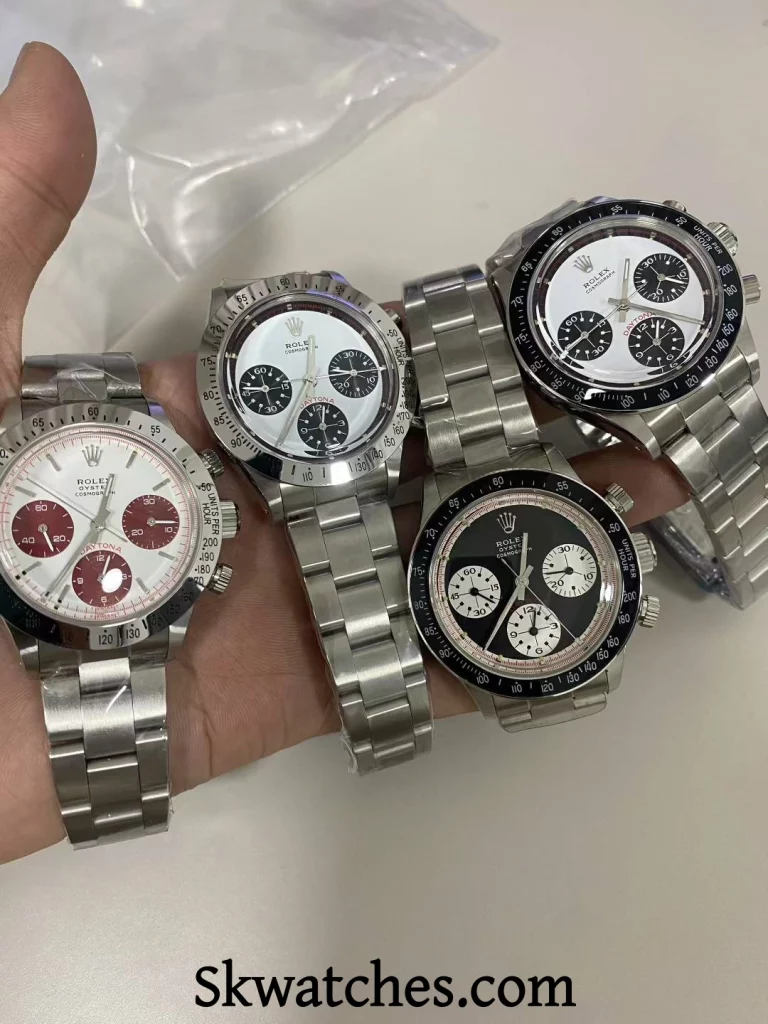
Daytona replicas: Choice depends heavily on version and movement configuration rather than factory name alone.
In practice, the best Rolex replica is usually a specific factory’s version of a specific model—not the factory itself.
What Matters More Than Factory Name
Regardless of whether you lean toward VSF or Clean Factory, three factors consistently influence satisfaction:
- Clear QC images showing dial alignment, date placement, bezel centering, and hand finishing
- Version transparency, including batch or update information
- After-sale support, especially for long-term wear
These details often matter more than marginal factory differences.
FAQ
Which makes the best Rolex replicas right now, VSF or Clean Factory?
There is no universal winner. VSF and CF excel in different areas, and the best choice depends on the specific model and what details matter most to you.
Are “super clone” Rolex watches noticeably different from genuine ones?
At close inspection, differences still exist. However, modern high-quality replicas from VSF or CF can be very convincing in normal wear scenarios.
Should I choose based on movement or appearance?
For most buyers, appearance and finishing have a bigger impact on daily satisfaction than minor movement differences.
Is it better to follow reviews or factory reputation?
Model-specific reviews and recent comparisons are more reliable than factory reputation alone.
Final Thoughts
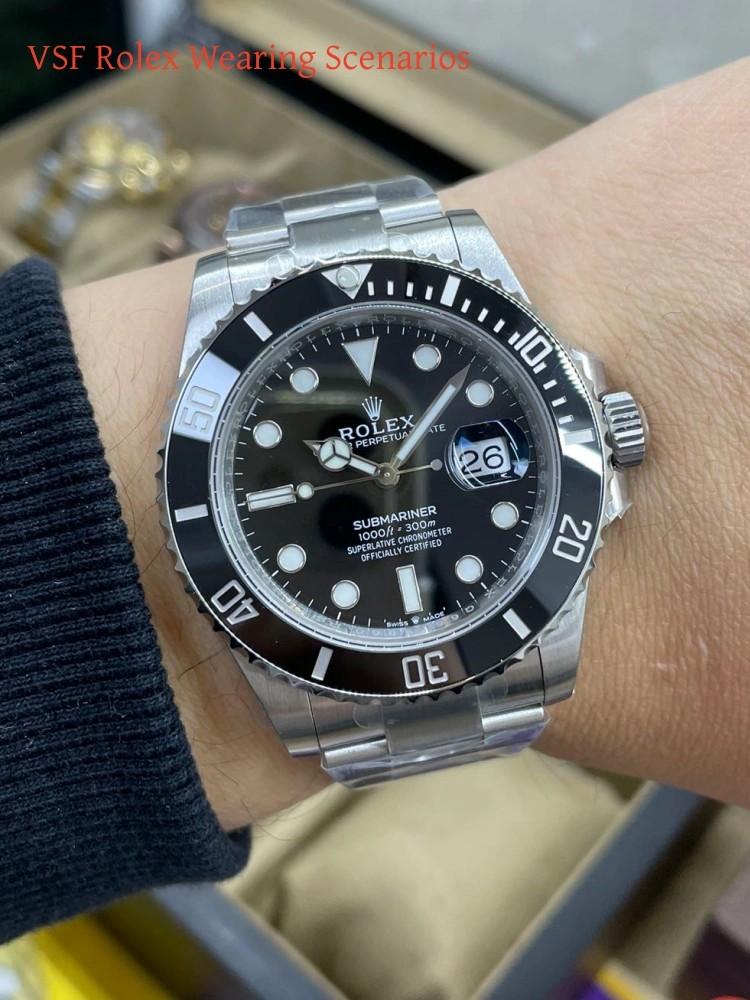
For U.S. buyers exploring the current replica Rolex landscape, the discussion around VSF versus Clean Factory is rarely about declaring a clear winner. In practice, it usually depends on whether a specific version fits what you’re actually looking for. Both factories can turn out solid replica Rolex watches, but the experience varies from model to model. Some feel right on the wrist, others look good on paper but don’t quite deliver the same impression once worn.
A better way to approach it is to start with the watch you realistically plan to wear, then look closely at how the current versions are executed. Details tend to matter more than factory names. When those details line up, the watch feels easier to live with and stays enjoyable long after the initial purchase.