The term “super clone” tends to surface quickly once you start looking into replica watches. It’s everywhere—watch reviews, seller descriptions, Reddit discussions, and long forum threads that somehow stretch late into the night. What becomes obvious pretty quickly is that people don’t always use the term the same way.
So let’s pin it down in a practical way—without sales hype, without scare tactics, and without pretending there’s a universal definition carved in stone.
A super clone is basically the replica world’s way of saying: this is the higher-end version—the one where details actually matter. Not just “it looks like a Rolex from across the room,” but “it holds up when you’re wearing it daily, in normal light, at normal distance.”
“Super Clone” isn’t a certification—it’s a shorthand
First thing to know: super clone isn’t an official grade. There’s no governing body. No checklist everyone follows.
It’s a label people use to separate:
- entry-level replicas (the “close enough” tier),
- from the versions that try to copy the original more faithfully.
That’s why you’ll see two watches both described as “super clone,” but one clearly looks more refined in real-life photos. In this space, the words matter less than the execution.
What actually makes a watch feel “super clone” level?
When experienced buyers talk about high-end replicas or 1:1 clone watches, they’re usually reacting to a cluster of things—not one magic feature.
1) The case shape is right (or very close)
This doesn’t sound exciting until you’ve seen a few replicas that miss it.
A good super clone tends to get things like:
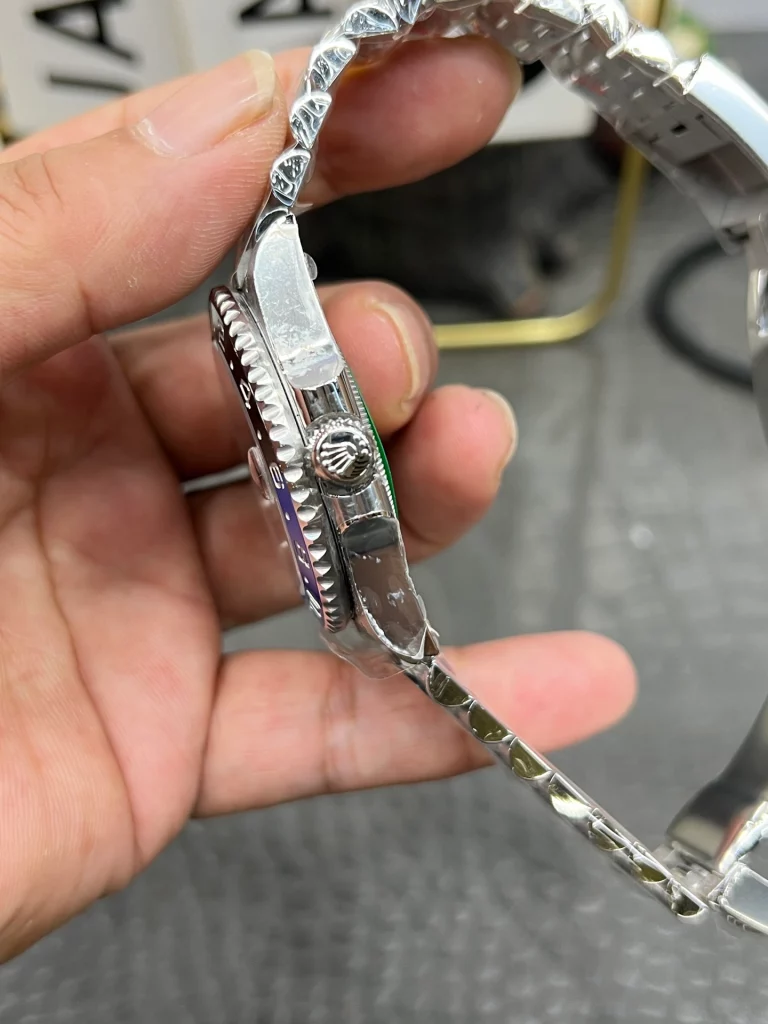
- lug shape and slope
- crown guard proportions
- case thickness and overall silhouette
…closer to what the genuine watch looks like on the wrist.
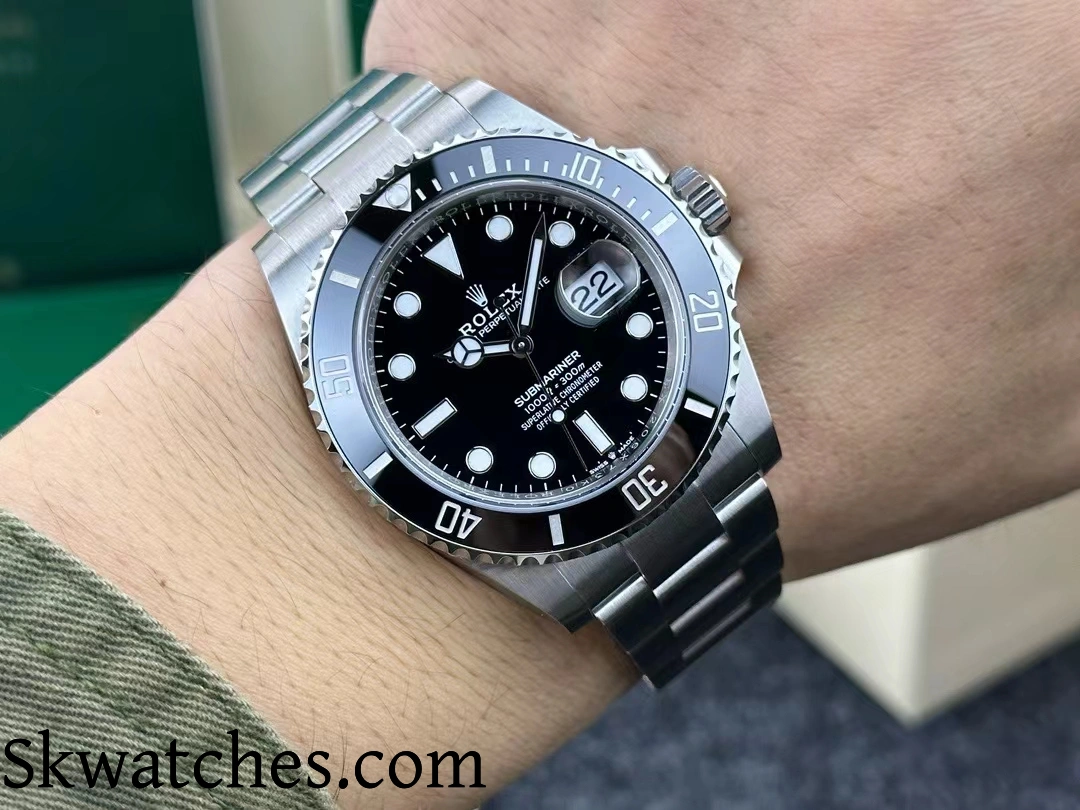
That last part matters. Most people aren’t inspecting your watch with a loupe. They’re seeing it on your hand while you’re walking, reaching, driving, grabbing coffee—the “wrist presence” test.
Case geometry plays a bigger role than a lot of beginners expect.
2) The dial is handled with more care
If the case is the body, the dial is the face.
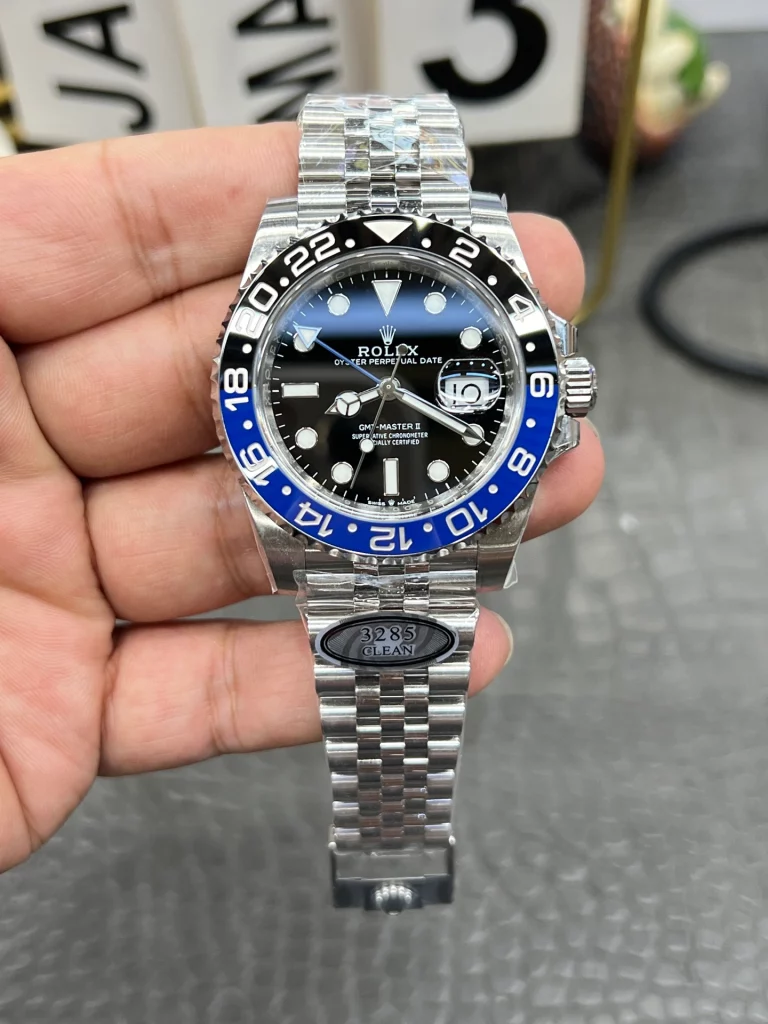
Higher-end super clone watches usually have:
- cleaner printing (less fuzzy edges on text)
- better marker placement/alignment
- more believable surface texture (matte, gloss, sunburst, etc.)
- more consistent lume application
Absolute perfection is rare. What people usually respond to is how believable the watch feels once it’s on the wrist.
Some dials look “too flat” or “too sterile.” Super clone dials are usually trying to avoid that.
3) Bezel, insert, and engraving details are sharper
On sport models, this is huge. Bezel teeth, ceramic insert markings, engraving depth—these can make a watch look “toy-like” if done poorly.
Super clones often improve:
- the crispness of bezel numerals
- the way paint fill sits in engravings
- alignment (a common weak point on cheap reps)
Again, the goal isn’t fantasy-level marketing. It’s simply getting closer to how the original looks in normal wear.
The movement question: what “clone movement” usually means
This is where people get tripped up, because “clone” can sound like marketing fluff.
In practice, a super clone watch often uses a movement that tries to mimic the layout and behavior of the original—at least from the user’s perspective.
That can include:
- similar hand stack height (how hands sit above the dial)
- similar date change behavior
- winding feel that’s closer to what owners expect
- complications that function in the expected way
For many buyers, the real benefit is simple: it doesn’t feel like a random generic watch inside a fancy shell. It feels more intentional.
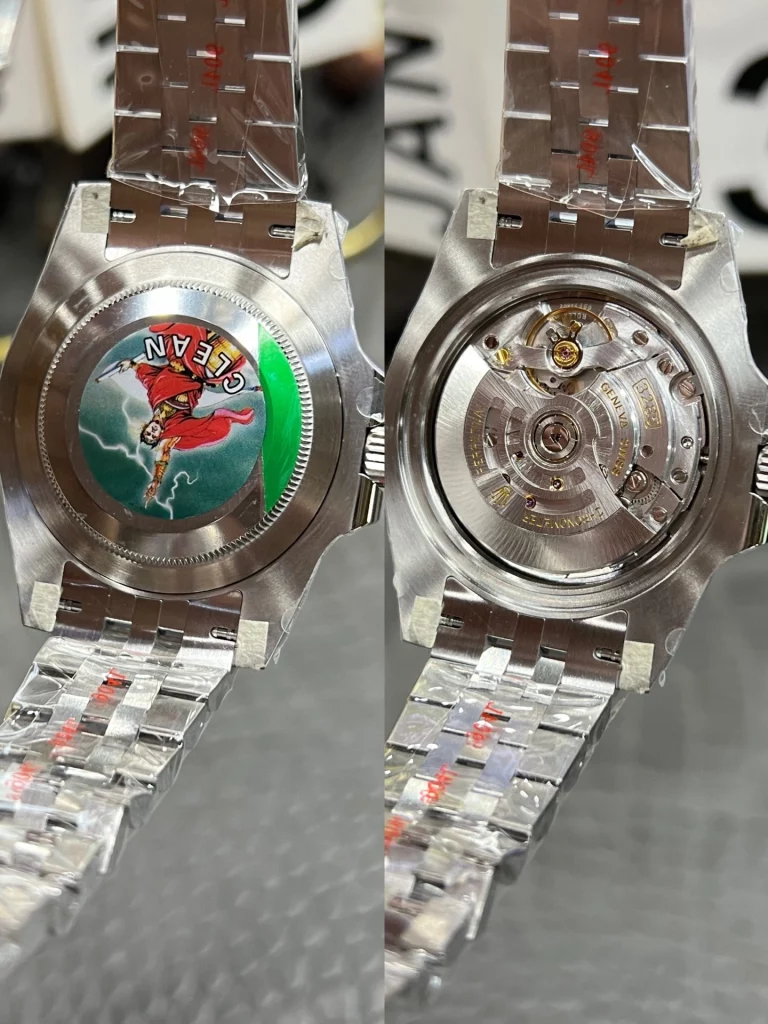
Materials and finishing: the “you notice it later” category
A lot of replica comparisons focus on the first impression. But finishing is what you notice after a week.
Super clone watches tend to improve things like:
- brushing grain that looks more uniform
- transitions between polished and brushed surfaces
- cleaner edges (less sharp, less sloppy)
- better crystal clarity and coating quality
These aren’t flashy bullet points, but they’re often what separates “looks good in photos” from “feels good to wear.”
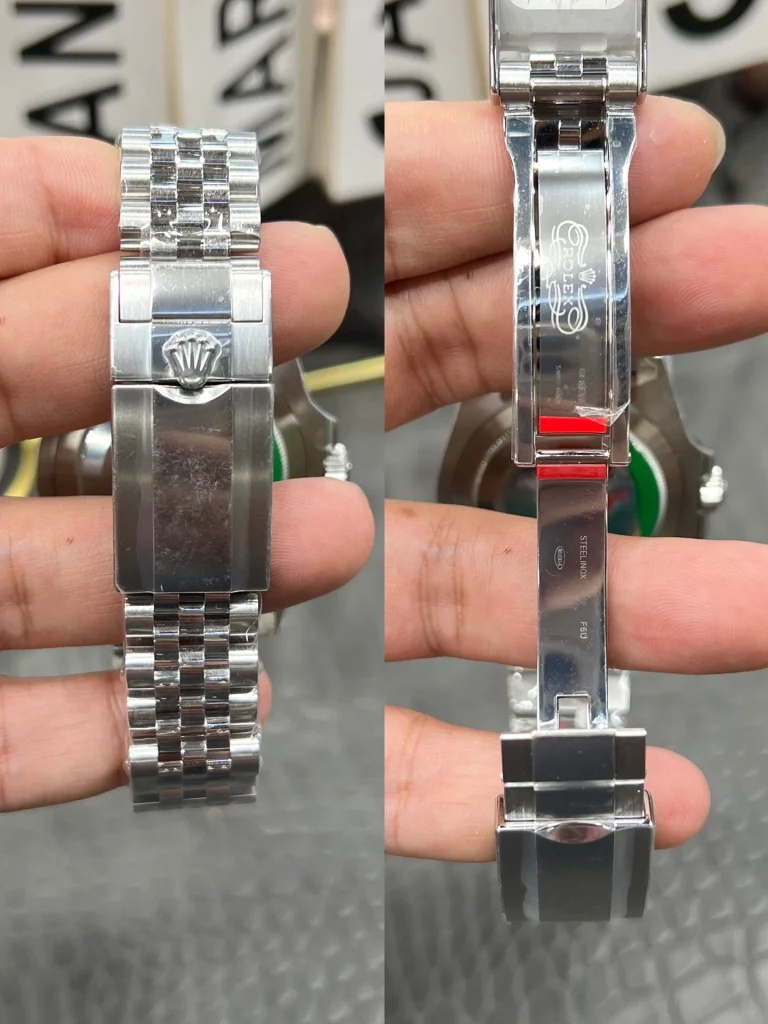
Why buyers still get disappointed sometimes
Not because super clones are inherently bad—usually because expectations are messy.
Both of these ideas tend to exist at the same time:
- many super clones are genuinely well-made,
- but the term itself isn’t always used consistently.
That’s why veteran buyers lean on recent, model-specific comparisons rather than trusting the phrase “super clone” as a guarantee.
Version changes, batches, and QC variance matter more than most marketing language.
FAQ
What is a super clone watch, in plain English?
A super clone watch is a higher-quality replica made to look, wear, and function more like the genuine watch.
Is “super clone” actually the same thing as a 1:1 replica?
People use them similarly, but neither is a regulated term. What matters is the specific model version and how it performs in real photos and real wear.
How can you tell if a watch is truly super clone quality?
Look beyond the label. Focus on: case shape, dial alignment, bezel details, date window position, and overall finishing—ideally through clear QC photos and real comparison reviews.
Are super clone watches only about appearance?
Not entirely. The better ones also aim for more realistic movement behavior (setting, winding feel, and functional layout), which tends to improve the daily-wear experience.
Bottom line
“Super clone” is best thought of as a tier, not a guarantee. That’s why the term tends to come up most often when people talk about details you only notice over time.
Case geometry that sits naturally on the wrist. Dial printing that doesn’t feel flat or rushed. Finishing that holds up after weeks of wear rather than just a quick unboxing photo.
Seen this way, “super clone” works best as a reference point, not a conclusion. That’s why the term becomes far more helpful than confusing.
It signals where to start looking closer—not where to stop thinking.
Used that way, the term becomes far more helpful than confusing.